
01 / Load reference
Know what it holds before you load it.
Carts, racks, trailers, hitches and tie-downs, compared by rated capacity. Every figure comes from published specification, not from a guess.
Manifest
Load classes4
Source types3
Hands-on tests0
Estimated specs0
Research desk. Not a test lab.
02 / What are you hauling?
Start with the load, not the product.
Four classes cover everything on this site. Pick the one that matches the weight you need to move and the thing that moves it.
Up to 300 lb
Hand-hauled
Fishing carts, shopping wagons, garden carts, hand trucks. On sand and gravel the wheel decides the outcome long before the frame rating does.
20 – 150 lb
Bike-hauled
Front baskets, rear racks, panniers, cargo trailers. The rack carries its own rating, and it is almost always lower than the bike’s total limit.
200 lb and up
Vehicle-towed
Receiver hitches, pins, balls, cargo carriers. Class rating and tongue weight set the ceiling. The ball size only has to match the coupler.
Every load
Secured & strapped
Ratchet straps, tie-downs, cargo nets, anchor points. Read the working load limit on the tag. Breaking strength is not a number you use.
03 / How we research
01
Manufacturer specifications
Rated capacity, dimensions and materials taken from the maker’s own published figures.
02
Published documentation
Owner manuals, fitment charts and the hitch class tables that set towing and tongue limits.
03
Verified owner reports
Purchase-verified accounts of how gear behaves over months of real loading and weather.
We do not test products in hand. Nothing on this site is described as measured, weighed or load-tested by us. Every figure is sourced, and every source type is named on the page it appears.
As an Amazon Associate we earn from qualifying purchases made through links on our guide pages.
04 / Most-used guides
Guides, filed by load class.
Each guide opens with the specification that actually settles the decision, then works down the shortlist from there.
| № | Guide | Load class | What decides it |
|---|---|---|---|
| 01 | Best cart for fishing | Hand-hauled | Wheel type and terrain |
| 02 | Best shopping wagon with wheels | Hand-hauled | Frame rating and folded depth |
| 03 | Best cargo trailer for a bike | Bike-hauled | Hitch type and axle load |
| 04 | Best tow hitch with pin | Vehicle-towed | Receiver class and pin diameter |
| 05 | Best bicycle with a rear rack | Bike-hauled | Rack rating and eyelet fit |
| 06 | Best bicycle with a front basket | Bike-hauled | Steering load and mount type |
05 / Where to go next
Three ways through the library.
Before you buy
Gear explained & comparisons
What the spec sheet is actually telling you, and how two similar products differ once you read past the headline number.
Once you own it
How-to guides & repairs
Strapping a load properly, coupling a hitch, repacking a wheel bearing, and fixing the parts that wear out first.
Build it yourself
DIY builds & projects
Cart builds, rack modifications and trailer conversions, with the load limit of the finished thing stated up front.
06 / Load terms, plainly
Six numbers worth knowing.
Most bad hauling decisions come from reading the wrong figure off the tag. These are the ones that matter.
| Working load limit | The maximum force a strap, chain or fitting is rated to hold in normal use. For cargo tie-downs sold in the United States it is typically marked at about one third of the assembly’s breaking strength. |
| Breaking strength | The force at which a component fails under test. It is a laboratory figure, never a working figure, and it should not be used to plan a load. |
| Tongue weight | The downward force a loaded trailer places on the hitch ball. Conventional trailers are generally loaded to put roughly ten to fifteen percent of total trailer weight on the tongue. |
| Hitch class | Receiver hitches are graded Class I through Class V. The class fixes the receiver opening size and sets both the gross trailer weight and the tongue weight ceiling. |
| Gross trailer weight | The trailer plus everything loaded onto it. This is the number a hitch rating has to cover, not the trailer’s empty weight. |
| Rack rating | A bike rack, basket or pannier carries its own manufacturer load limit. It is separate from the bicycle’s total weight limit and is almost always the lower of the two. |
07 / Recently added
Latest from the desk.

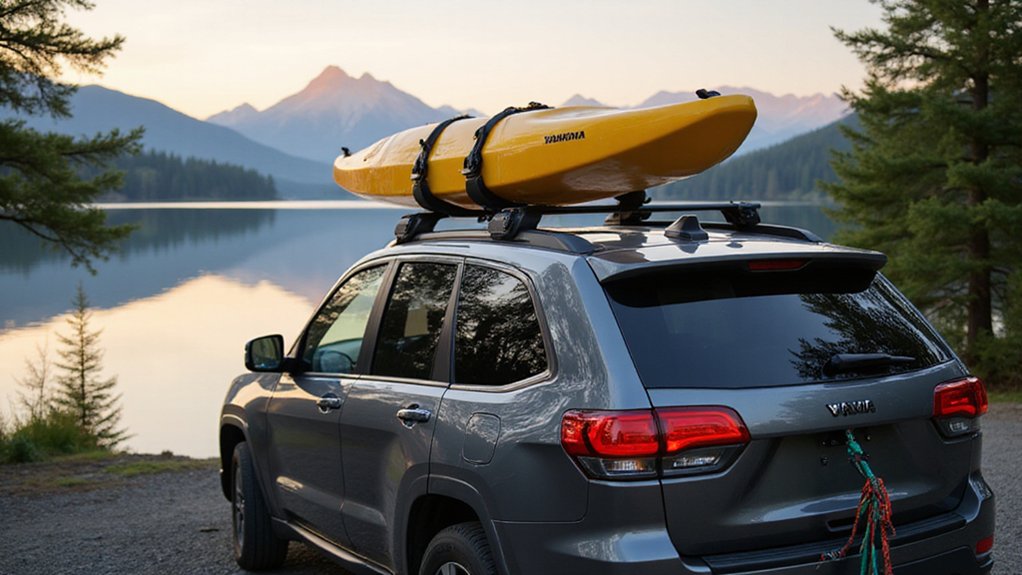
3 Yakima Roof Racks That Haul Your Kayak Without the Hassle
Not all J-racks wrestle your kayak; Yakima’s HandRoll, JayHook, and JayLow eliminate the struggle entirely.
How to Use Cam Buckle Tie Down Straps: Easy Guide
Just press the cam lever, feed the strap, and pull tight—but one simple mistake can snap it.
10 Best Wheels to Upgrade Your Hand Truck Like a Pro
Just 10 wheel upgrades that turn your wobbly hand truck into a pro-grade machine.
How to Use a Hand Truck: Load, Tilt & Roll Safely
Properly loading and balancing a hand truck prevents injuries, but there’s more to safe maneuvering.
10 Best Wagons With Canopy That Actually Protect From the Sun
Canopy-covered wagons that shield your family from harsh sun also offer rugged wheels and smart storage.
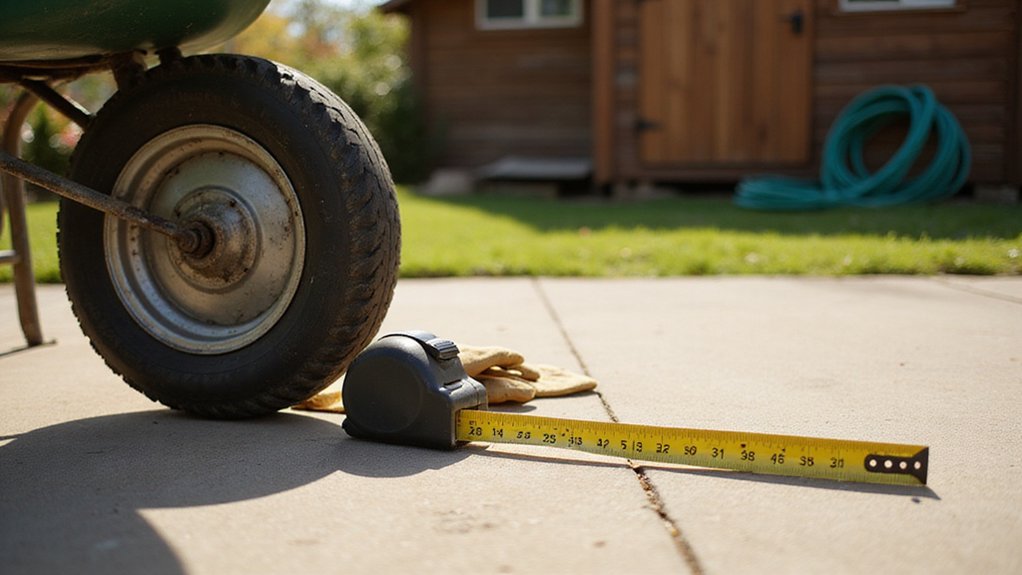
How to Measure a Wheelbarrow Tire: Get the Right Size
Get the right wheelbarrow tire size by decoding sidewall numbers or measuring diameter.


08 / The desk
A research desk, not a test lab.
We read the spec sheets, the manuals and the class tables so you are not guessing what will hold. Where a figure cannot be verified, the page says so rather than filling the gap.