
How to Use Bungee Cords Safely: Complete Guide
Using bungee cords safely is key to preventing injuries and damage. Knowing how to choose the right cord, inspect it properly, and attach it correctly can make all the difference.
With a few simple precautions, you can turn this handy tool into a safe and reliable helper for various tasks.
Keep reading to learn the essential safety tips that will help you use bungee cords confidently and effectively every time.
The Hidden Dangers of Bungee Cord Safety (And Why You Must Care)
A break or slip of a bungee cord can unleash stored elastic energy as a violent cord recoil, turning the metal hooks into dangerous projectiles. This recoil can strike anyone nearby, especially if your face or body is in the rebound path. Wearing eye protection is crucial because most eye injuries from bungee cords involve retinal detachment or blindness. Medical reports reveal that the majority of ER visits related to bungee cords are due to eye trauma, often requiring hospitalization. To stay safe, always inspect each cord thoroughly before use and discard any with damage. Overstretching, frayed strands, knots, or bent hooks significantly increase the likelihood of failure. Even minor wear can turn into a serious hazard under the tension of a load. Keep your face and body clear of potential rebound zones and respect the stored energy in every stretch. Before use, also secure the load with a truck bed extender to prevent cargo from shifting and creating additional tension on the cords. For heavy or awkward items, using a furniture dolly can reduce the need for excessive stretching and minimize the risk of a dangerous snap.
Always Choose the Right Bungee Cord for Your Load
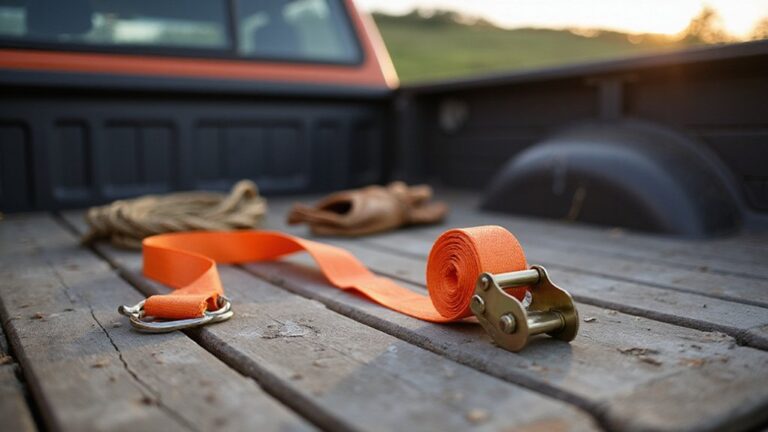
To pick the right bungee cord for your load, start by selecting one with a working load limit (WLL) above your cargo’s weight. Never rely on the cord’s break strength alone, as safety factors mean break strength is usually three to five times the WLL. Trust the WLL rating to ensure safe tension. For heavier loads, opt for larger-diameter cords, such as 1/2 inch for loads between 36 and 90 pounds, and pair these with strong, forged steel hooks to handle the stress effectively. For even greater security on heavy truck loads, ratchet straps offer a more reliable tensioning system than bungee cords alone. For versatile everyday hauling, a foldable wagon can reduce the need for excessive cord tension by carrying items closer to the ground. When using a hand truck, always perform practical safety checks on the frame and wheels before securing your load.
Material compatibility is crucial. Plastic hooks often fail under high force, so choose hooks designed specifically for your load’s weight and application—such as roof rack hooks for vehicle use. The correct length of the cord is essential for load stabilization; never stretch it more than four times the unloaded length during dynamic forces to prevent overstretching or snapping. Always inspect the cord before use for fraying, cracks, or damaged hardware that could compromise safety.
Match the diameter of the cord to your task: light loads require cords of 1/4 to 3/8 inch, while heavy-duty jobs need 1/2 to 5/8 inch cords. Selecting the right size and strength ensures your load stays secure without overstressing the equipment.
Never Use a Bungee Cord for These Unsafe Loads
Never use a bungee cord for heavy or high-value cargo. Its elastic hold cannot ensure cargo stability, which can lead to slippage or shifting during transit. For top-heavy or shifting loads, bungee cords often fail to distribute tension evenly, increasing the risk of tipping or pendulum movement that can snap the cord. Avoid securing large, wind-catching surfaces like tarps, as drag from the wind can overload the elastic and cause sudden failure. Do not use bungee cords on road vehicle loads or for lifting tasks; road vibrations and the stress from lifting exceed what the elastic can safely handle. Additionally, never secure loads with sharp edges, abrasives, or damaged cords—these can cut or damage the elastic jacket, reducing restraint strength. For these unsafe loads, opt for rigid tie-downs designed to handle heavier or more abrasive conditions, such as a DIY truck bed extender which provides a stable, non-elastic framework for long or bulky cargo. Instead, consider a mounting hardware kit for a cargo net, which provides a non-elastic and secure attachment for lighter items in vehicles like the Hyundai Santa Fe.
Check These 5 Things Before You Attach a Bungee Cord
Before attaching a bungee cord, thoroughly inspect its entire length for signs of wear or damage. Look for fraying, cracks, or exposed fibers, and replace any cord with over 5% broken threads. Test its elasticity by letting it return to its original length; if it feels stiff or stretches excessively, it’s unsafe. Examine every hook, fitting, and end connection for bends, rust, or corrosion to ensure they are secure. Confirm that the cord matches your load capacity by not exceeding 20% of its minimum breaking strength. Check its service history for UV exposure, chemical damage, or dry rot, and verify material compatibility, especially if the cord has been exposed to harsh environments. Any cords showing abnormal behavior should be retired. Conducting this comprehensive inspection reduces the risk of failure during use. For tasks requiring transport stability, consider using a two-wheel wheelbarrow to minimize load shifting and reduce strain on bungee attachments. If you need a more robust fastening solution, switching to a ratchet strap can provide greater holding force and reliability for heavier or shifting loads.
Bungee Cord Safety: The Safe Way to Attach and Tension
To attach and tension a bungee cord safely, always secure it to sturdy, fixed anchor points that can handle the expected dynamic load. Ensure each hook’s throat sits completely on the anchor to prevent slipping or accidental disengagement. The integrity of the anchor point is critical; never compromise it for convenience, as a weak or unstable anchor can lead to dangerous failures. When using multiple cords, give each its own independent attachment point instead of sharing a single one to avoid uneven load distribution and potential failure. Before tensioning, orient hooks downward or inward to minimize the chance of disengagement during use. If the bar or hook surface is slippery, add grip material such as rubber or tape to improve hold. This principle of stable fulcrum placement mirrors how a wheelbarrow’s lever mechanics distribute force to a fixed wheel axle.
Always verify that the cord material is compatible with your load and environmental conditions. Look for frayed sections, loss of elasticity, or any signs of deterioration—discard the cord immediately if found. Keep tension within the cord’s rated safe limit; never stretch it beyond this capacity as overstraining can cause failure or breakage. Aim for a tight, secure fit that provides adequate tension without overstraining the cord. Ensure the rebound path is clear of obstacles to prevent injury or damage during use. Always wear gloves and eye protection when handling or tensioning bungee cords. Never release an end under load, as this can cause unpredictable rebound and injury.
3 Bungee Cord Mistakes to Avoid During Use
To avoid common mistakes that can turn a simple bungee cord job into a hazard, focus on three critical points. First, do not overstretch the cord beyond 50% of its original length. Overstretching greatly increases the rebound force, which can cause hooks to strike your face or eyes. To stay safe, use stronger tie-downs that can handle the tension. For jobs like securing a wheelbarrow tire, consider using a tire repair kit instead of relying on bungee cords for a temporary fix. Second, never use cords that are damaged. Always inspect for wear, fraying, or deformation before each use. Bent, gouged, or tampered hooks are particularly dangerous because they can fail unexpectedly. To secure heavy or awkward loads like a kayak, consider using bike trailers designed for kayak transportation as a safer alternative to bungee cords. For a more permanent and stable solution, installing caster wheels on the base of the load can eliminate the need for elastic cords entirely. Finally, keep your body out of the rebound path. Never stretch the cord directly toward or away from yourself; stand to one side when attaching or releasing. Wearing protective eyewear is also recommended, as rebounding hooks can cause serious eye injuries. Avoiding these mistakes will help ensure every job involving a bungee cord is safe.
Bungee Cord Safety Limits: How Much Stretch Is Too Much?
Exceeding about 50% of the cord’s original length is too much stretch and becomes unsafe. Once you pass this point, the cord enters its elastic deformation limit, meaning it won’t fully return to its original shape. This overstretching causes permanent damage, reducing the cord’s strength and safety margin. Always check the manufacturer’s printed stretch limit instead of relying on guesswork. If no specific rating is provided, treat the cord as unsafe for load-bearing purposes. To maintain safety, keep routine loads well below 25% of the cord’s breaking strength, adhering to a safety factor of at least five. Look for signs of overstretch, such as reduced ability to return to its original length or visible wear and tear. If you notice these signs, retire the cord immediately. Repeated maximum stretching shortens its lifespan and significantly increases the risk of snap-back injuries. Staying within safe stretch limits is key to avoiding accidents. Additionally, for applications involving heavy or unstable cargo, using foam blocks for kayak can help provide a stable, non-slip surface that reduces cord tension and prevents shifting. Always ensure the cord is attached to a securely mounted rack to prevent the load from shifting during transport. Proper mounting hardware is essential for securing a trailer hitch to prevent accidents during use.
Release a Bungee Cord Safely in 3 Steps
To release a bungee cord safely, follow these three steps. First, prepare the release area by standing to the side, out of the cord’s rebound path, and ensuring any bystanders are clear. Always wear eye protection and gloves to shield yourself from possible snapbacks or debris. Second, reduce tension before unhooking by shifting the load to create slack. Maintain a firm grip so the hook doesn’t snap free unexpectedly. Release the hook slowly—never pull it toward your body—and keep the cord within its safe stretch range, which is about 50 percent of its original length. Using a truck with a specialized kayak carrier can help you secure loads without over-stressing loose bungees. Third, unhook with controlled motion by fully depressing any safety clip and guiding the hook away from the anchor point. Continue applying pressure until it’s disengaged, then immediately move the cord away from your face to avoid rebound. Expect the cord to contract like a rubber band and keep your fingers clear. To minimize stored energy, release one side at a time, and always treat every release as high-risk due to the mechanics involved. Understanding how caster wheel failure occurs can help you anticipate similar stress points when handling heavy loads under tension. For lighter loads, a hand truck or dolly can provide a more stable base than relying solely on tensioned cords.
How to Inspect and Store Bungee Cords for Long Life
To ensure a long lifespan for your bungee cords, regular inspection and proper storage are essential. Before each use, check the cord thoroughly for signs of wear such as fraying, cuts, or stiffness. Remove any debris, oil, chemicals, or contaminants promptly with a damp cloth, then rinse away dirt, sand, or salt. Always let the cord dry completely before storing to prevent moisture-related damage. After cleaning, reinspect the cord to ensure no hidden wear or damage has occurred.
Proper storage involves keeping your cords clean, dry, and relaxed, never under tension. Coil them loosely or hang them to avoid kinks and a permanent set. Keep them away from direct sunlight, heat, and extreme temperatures, as these can weaken the material. Store them in a cool, shaded area to preserve flexibility and strength. Avoid contact with sharp edges, solvents, and corrosive substances that can degrade the rubber or elastic components.
Inspect the entire length of the cord for fraying, cuts, or stiffness, and verify that it still returns to its original length when relaxed. Check the hooks for any bends, rust, or deformation, and ensure end fittings are secure without slippage. Regularly performing this simple routine helps you catch potential issues early, saving money and preventing accidents caused by weakened or damaged cords. When attaching gear like a bicycle trailer, always ensure the hooks are secured to a solid frame rather than to spokes or moving parts.
3 Signs a Bungee Cord Is Unsafe and Needs Discarding
Visible cord degradation such as fraying, cuts, or thinning areas indicates a bungee cord is unsafe and needs to be discarded. Exposed inner threads or broken load-bearing fibers above 5% of the cord’s length mean it has reached the end of its lifespan. Elastic failure is another sign, shown by permanent elongation or inability to revert to the original shape. A loose, flattened, or bulging cord can’t hold tension reliably and should be replaced. Check hooks and fittings for bending, cracking, or looseness, as these damage points weaken the entire system. Chemical exposure, UV damage, or surpassing the manufacturer’s recommended usage count also require immediate disposal. Recognizing these signs promptly helps prevent accidents and injuries.