
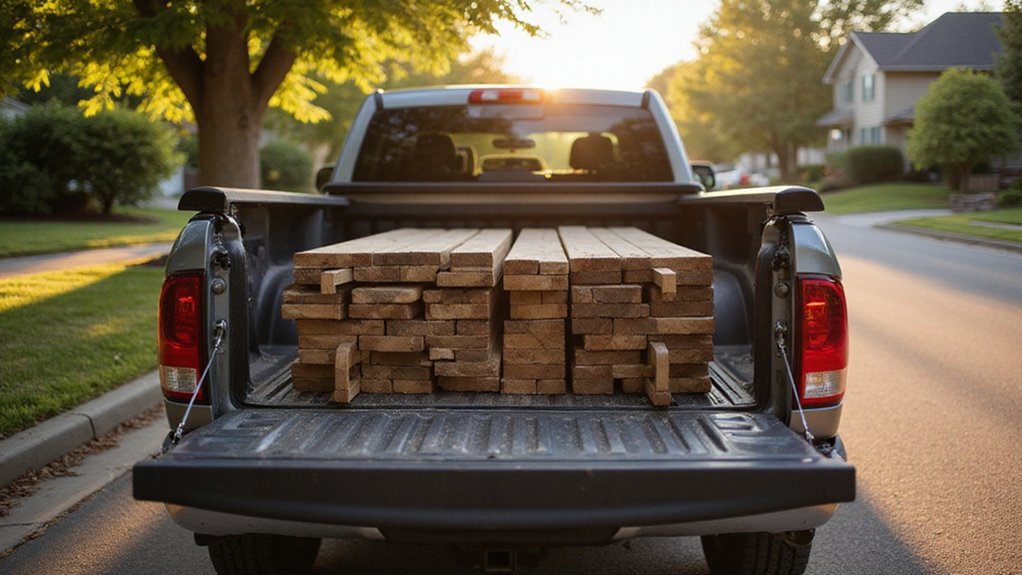
DIY Truck Bed Extender: Haul Long Loads Safely
Looking to haul long loads safely without risking damage or legal trouble? Building a custom DIY truck bed extender can add up to four feet of space, letting you transport kayaks, lumber, or furniture more easily.
By following the right steps, you’ll create a sturdy, legal setup that keeps your cargo secure and your truck handling well. Keep reading to see exactly how to build your own and stay compliant on the road.
Why You Might Need a DIY Truck Bed Extender
A DIY truck bed extender is a practical solution when your hauling needs exceed the length of your standard pickup bed. It allows you to add up to four feet of extra length, giving you space for longer items like lumber, pipes, or drywall. Building your own extender means you can customize the design to match your truck’s look and your personal style, ensuring a seamless appearance. You also have the flexibility to make it fit your specific make and model, avoiding mismatches often found with off-the-shelf options.
This approach is especially useful for occasional projects, such as hauling kayaks, building materials, or bulky furniture, since you don’t need a permanent attachment. A foldable design makes storage simple—just fold it away when it’s not needed—saving garage space and keeping the area tidy. Plus, creating your own extender can be more cost-effective than purchasing a pre-made accessory, giving you control over both function and aesthetics. For safe hauling, it is essential to secure the load with tie-down straps and flagging to prevent shifting or overhang hazards. To ensure comfortable handling while loading and unloading heavy items, consider adding improved grip handles to your extender’s support frame. For transporting heavy furniture, a furniture dolly can simplify the process of moving items from your garage or workshop to the truck bed.
What a Truck Bed Extender Actually Supports (And What It Doesn’t)
Your truck bed extender supports a maximum evenly distributed load of about 300 to 350 pounds. This weight limit is crucial to prevent damage or failure. Load weight should be spread evenly across the extender’s rails; avoid concentrating heavy items on one side. Ignoring this can lead to overload risks, especially during sudden stops or on rough roads, when dynamic shifts may cause the load to surpass the rated capacity. For secure hauling, using high-quality cam straps is essential to keep the load from shifting during transport. Remember, the extender supports overhang beyond the truck bed but does not increase your towing capacity or reduce tailgate limits. Cargo must stay within your truck’s legal and mechanical limits. Always secure loads with tie-downs—using the extender as a restraint substitute is unsafe. Also, do not exceed your tailgate’s weight limit, which is often around 200 pounds. For reference, collapsible folding wagons often have similar weight limits and require even load distribution to remain stable. Just like with beach wagons, you must keep the load centered to maintain balance on uneven terrain. Adhering to these limits ensures safe and reliable use of your truck bed extender.
DIY vs. Store-Bought: Which One Saves You More?
A DIY truck bed extender can cost less than $50 in raw steel and hardware if you are skilled with tools and already own a welder. This makes it significantly cheaper than store-bought models, which typically start around $65 and can exceed $330 for high-end brands. With a DIY approach, you have complete freedom to customize the design, paint color, and finish to match your vehicle. However, you won’t gain the brand recognition or resale value associated with a commercial product. Commercial units come with published load limits, warranties, and DOT safety guidance, which help ensure safety and compliance. In contrast, building your own shifts all safety testing, legal, and repair considerations onto you. For instance, a DIY build may lack the tested durability and stability found in top motorcycle trailer reviews for heavy loads. If you already have free access to fabrication tools and your time, a DIY build offers a clear cost advantage. But if you prioritize safety, predictable performance, and hassle-free installation, purchasing a store-bought unit tends to be more cost-effective in the long run. Before using any extender, it is crucial to perform a final safety check to verify that all bolts are torqued and the frame is secure. When securing your extended load, using top ratchet straps ensures your cargo stays firmly in place during transport.
Materials List: Steel vs. Aluminum for Your DIY Extender
Steel provides superior stiffness and strength compared to aluminum, making it the better choice for materials requiring high load-bearing capacity. Its elastic modulus allows it to resist sagging and vibrations under heavy cargo, ensuring stability during transport. However, steel is significantly heavier, which can complicate handling, installation, and affect your vehicle’s overall weight distribution. It also requires protective coatings like paint or powder coating to prevent rust, adding to maintenance. For those needing to connect multiple accessories, a 3-way trailer hitch adapter offers a similar robust solution for managing different load configurations. Aluminum, on the other hand, offers a better strength-to-weight ratio, making it easier to handle, install, and remove. While it may need thicker walls or stronger alloys to match steel’s rigidity, for lighter or recreational hauling, aluminum can be more practical. It naturally resists corrosion thanks to a thin oxide layer, reducing long-term maintenance costs. Keep in mind that aluminum generally costs more upfront but can save time and effort in upkeep over its lifespan. Your choice ultimately depends on whether weight savings or maximum load capacity is your priority. For those who regularly transport skis or other long gear, a tow hitch ski rack can be a versatile alternative, distributing weight securely without adding the bulk of a full extender. If you often switch between different types of hauling, researching the best bed extenders for trucks can help you compare ready-made options that balance these material trade-offs.
Step-by-Step: How to Build Your Own Truck Bed Extender
Measure the bed opening, tailgate clearance, and mounting points accurately before making any cuts. Mark the extender frame so its end sits parallel to the tailgate, leaving no more than a quarter-inch gap to accommodate body flex. Dry-fit all frame pieces first to verify symmetry and that the corners are square. This step ensures proper fit before drilling or fastening. Cut each member to length, then deburr sharp edges for safety and a cleaner finish. For drilling holes in the carbon components, always apply tape to contain debris and reduce fiber fragments, as per standard safety handling. For a smoother rolling workspace, consider storing tools on a stable utility cart to keep them organized and within reach. Assemble the side rails with crossmembers, using tack welds or clamps to temporarily hold parts in place—verify alignment before final fastening. For a polished look that matches vintage trucks, apply a durable paint or finish after assembly. Mount brackets first, then fit the extender into position, tightening bolts, pins, and straps only after final adjustments. Check that all mounting points are compatible with your trailer hitch alignment to avoid interference during use. For a low-cost alternative, consider using modular frame joints to skip welding and allow for easy adjustments without specialist tools. Test with a light load to check for flex, secure cargo separately with straps, and recheck all fasteners after your first drive to ensure stability.
How Big Should Your Extender Be for Your Truck?
To size your extender correctly, match it to both your truck’s bed and hitch. Start by checking your receiver size—2 inches is standard—then measure your bed’s usable opening, not just its nominal length. Load length should target your maximum cargo, not the average, ensuring you can handle the longest loads you’ll carry. For secure hauling, pair your extender with top-rated ratchet straps to prevent shifting during transit, as quality tie-downs are essential for load stability. Adjustable extenders that span from 52 to 76 inches are versatile for mixed hauling needs. If your bed has specific dimensions, bed-specific units designed for 5.0 to 6.5-foot beds will fit directly without modifications. To ensure your extender sits level, first measure the drop of your hitch to match the height of your truck’s receiver to the load surface. Many extenders mount directly into the receiver much like a standard caster wheel would attach to a frame, relying on a similar pin-and-sleeve mechanism for secure fitment.
Width is also important. Most extenders adjust from approximately 27.5 to 49.5 inches, so measure your bed rails and tailgate to find a good fit. Make sure the height aligns with your hitch and bed lip to prevent sag and ensure stable support during transportation. For trucks with bed widths of 4.6 to 5.5 feet, the adjustable design maximizes cargo capacity by adding over two feet of enclosed storage.
How to Strap Cargo to Your Truck Bed Extender Safely
To secure cargo to your truck bed extender safely, begin by choosing the appropriate tie-down hardware. For heavy loads, use ratchet straps that provide strong tension, while cam straps are suitable for lighter items. Avoid relying on bungee cords, as they can allow shifting and compromise safety. First, strap the extender itself to your truck’s anchor points to keep it stable. Then, position heavy items low and close to the cab to maintain balance. Fill any gaps with padding or additional straps to prevent movement during transit. When securing a load like a kayak, ensure correct tie-down angles prevent lateral shifting during turns. Attach straps at around a 45-degree angle for lateral support, and use at least two tie-downs per item to prevent sliding. For taller loads, add extra straps in multiple directions to avoid tipping. Always double-check that every hook and anchor point is secure, then do a tug test by pulling on the straps to ensure tightness. After driving a few miles, recheck the cargo, as it may settle during transit. Keep rear visibility clear by arranging cargo and straps carefully. For additional stability, consider using a padded rubber strap to protect the load and prevent scratches.
What Mistakes Make Your DIY Extender Illegal?
Missing or improperly installed rear-end equipment is a common mistake that can make your DIY extender illegal. If your load extends four feet or more past the back of your vehicle, you are required to have red lamps, reflectors, and flags to alert other drivers. Several states, including Texas, Virginia, and Washington, strictly mandate these safety markers.
Additionally, ensure that your extender does not block the license plate or any required markers. An open-frame design can help maintain visibility of license plates and signals, preventing violations. Overextending the front or sides of your vehicle beyond legal limits also makes your truck considered oversize, meaning you will need to obtain expensive oversize permits.
Widening your cargo area with side rails or brackets that exceed legal projection limits is another frequent violation. Always double-check local rules before modifying your extender. Finally, do not ignore rear overhang warning-device rules; marking the true end of your load is essential. Overlooking these details increases the risk of citations and legal issues.
Truck Bed Extender Overhang Rules by State
Overhang rules for truck beds vary significantly by state, so you need to check your local regulations before hauling. For example, Alabama allows an overhang of 5 feet in front and 4 feet at the rear of your truck bed. In contrast, Colorado permits only 4 feet in the front but extends the rear overhang up to 10 feet. These limits determine when you must implement safety markings or lighting, so knowing your state’s specific threshold is essential. Exceeding these overhang measurements triggers requirements such as red flags during daylight hours or warning lights at night, and in some cases, specific signage like “Oversize Load.” Always verify the current rules in your state to ensure safe and legal hauling.