
How to Use a Hand Truck: Load, Tilt & Roll Safely
If you’ve ever struggled with moving heavy or bulky items, you might wonder how to do it safely without straining yourself.
Using a hand truck properly can make the job easier and help prevent injuries. By following a few simple precautions, you’ll be able to load, tilt, and roll with confidence.
Keep reading to learn the essential tips for safe and efficient use of your hand truck.
Check the Hand Truck Before You Use It
Before using a hand truck, take a couple of minutes to inspect it thoroughly. Check the frame, handles, and nose plate for any cracks, bends, or weld failures. Examine the wheels and tires to ensure they roll smoothly without flat spots or unusual noises. Tighten all fasteners such as nuts, bolts, and cotter pins to make sure they are secure. Test the handles and grips to confirm they move freely without binding, and verify that all control mechanisms operate properly. Make sure the load capacity label is clearly legible. If you notice any damage during inspection, remove the hand truck from service immediately. Regular maintenance and pre-use checks are essential for preventing breakdowns and ensuring safety. For beach applications, large pneumatic wheels provide better traction and stability on sand than standard small wheels. For heavier loads pulled behind a lawn tractor, a dedicated yard cart for lawn mowers offers better balance and stability than a standard hand truck. For lighter or oddly-shaped loads, consider whether a furniture dolly might be a more stable alternative. Remember to wear safety gear like gloves and steel-toed boots before starting your job. A quick two-minute check can save you hours of trouble later.
How to Load a Hand Truck for Maximum Stability
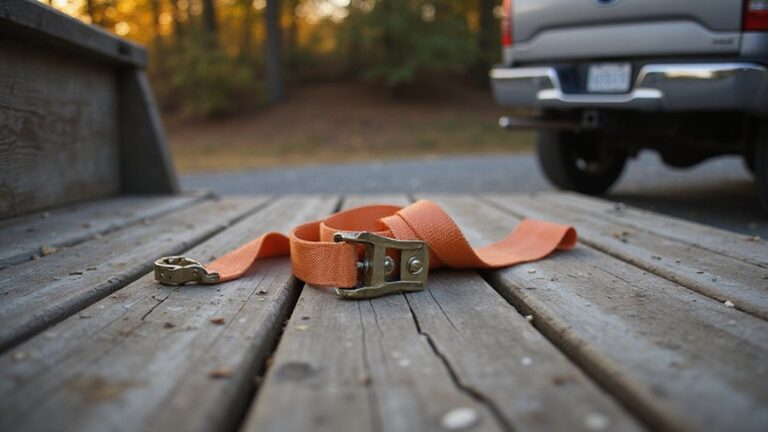
To maximize stability when loading a hand truck, focus on keeping the center of gravity low. Place the heaviest items at the bottom of the stack to prevent top-heaviness, which can lead to tipping. Balance the load over the axle by shifting it forward until it rests against the frame—this guides the weight directly downward rather than lifting it, making movement smoother and safer. Pack the largest, heaviest pieces first, then add lighter items on top to maintain an even distribution. Secure your load tightly with straps or ropes, especially for awkward or shifting objects, to prevent slipping. Ensure boxes are stacked evenly and centered to avoid uneven pressure that could cause tipping. Never load beyond the hand truck’s rated capacity, as overloading destabilizes the equipment and increases the risk of injury. Finally, arrange items by size and shape so the load sits snugly against the frame without blocking your view. Using top ratchet straps can further improve security and load stability during transport, as these straps are built with high-quality webbing to withstand heavy tension without fraying. For example, many of these straps feature double-J hooks that provide a secure anchor point on truck beds or cargo frames.
How to Tilt a Loaded Hand Truck
To tilt a loaded hand truck properly, start by gripping both handles firmly. Bend your knees and use your legs to pull the handles toward you in a smooth, controlled motion, avoiding your back. The goal is to adjust the tilt until the load’s center of gravity sits directly above the axle. When balanced correctly, the load should feel light and require minimal effort to hold. Make small adjustments gradually, pausing to test the stability after each change. If the load still feels heavy, tilt it slightly farther back. Avoid quick, jerky movements that could shift the cargo or cause the truck to tip over. Keep the load low and well-packed, with heavier items placed at the bottom. For optimal stability when moving bulky items, consider using a collapsible folding wagon instead. For canoe owners, following simple DIY canoe cart plans can help build a dedicated transport solution that balances perfectly on the axle. Secure unstable loads against the frame if necessary. Once the tilt feels balanced, you’re ready to move the hand truck safely and efficiently. For trucks with a tailgate, a bed extender can provide additional support for longer loads.
Push the Hand Truck With a Straight Back
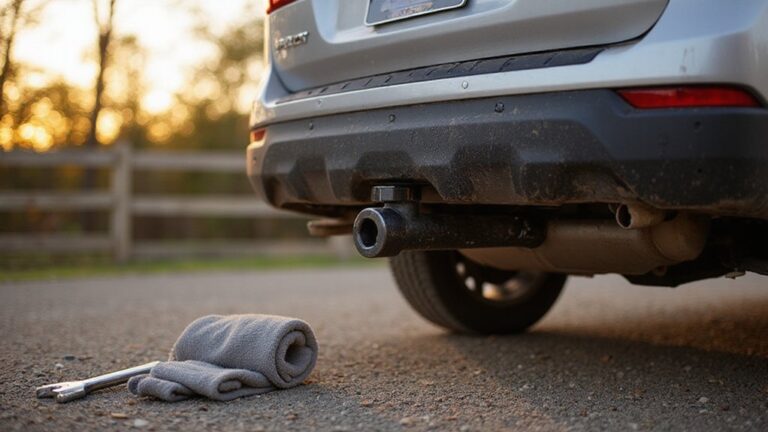
To push a hand truck with a straight back, start by keeping your spine neutral—avoid bending at the waist. Use your legs to drive the push, bending your knees slightly to lower back strain. Maintain proper posture by keeping your head up and eyes facing forward, leaning slightly into the load as you push. Keep your arms close to your sides, with elbows near your body, and apply force from around elbow height. Always push rather than pull to enhance control and visibility. Both hands should stay on the handles, and you should remain close to the load. Let your legs and body weight do the work to move the truck smoothly, keeping the weight on the wheels rather than on the handles. Walk at a steady, controlled pace to prevent sudden jerks or slips, and avoid twisting your torso during the push. Be aware that on carpet, shifting your weight smoothly prevents the wheels from catching, much like the correct technique needed to avoid damage when moving heavy furniture. For yard work or gardening tasks, consider using a garden cart with seat to combine mobility with a convenient resting spot during extended use. When choosing a vehicle to tow large items with the hand truck, consider that a Class 4 Receiver offers higher capacity and durability for heavy-duty loads compared to a standard class 3 hitch.
How to Handle Turns, Doorways, and Tight Spaces
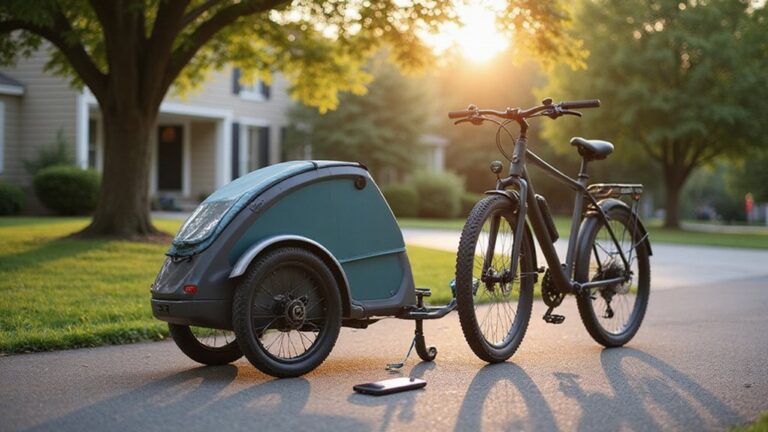
To steer a hand truck through doorways and tight spaces effectively, you need to plan your turns carefully. Start by assessing your truck’s turning radius and slow down before proceeding. When navigating a doorway, stop just before the threshold, align the truck squarely with the opening, then turn and guide it through. This helps prevent snagging or collisions. Always measure the doorway width in advance to ensure there is enough clearance for smooth passage. Just as with a bicycle trailer, securing the load before moving reduces the risk of shifting during turns. Choosing caster wheels with a swivel mechanism can further improve maneuverability in confined areas.
For tight spaces, travel in reverse mode, staying close to walls and walking behind the truck. Positioning the load ahead of your body reduces the risk of pinning yourself. Be extra cautious where visibility is limited; stop to evaluate blocked sightlines before proceeding. Avoid sharp or sudden turns, as these can shift the load unexpectedly. Clearing aisles and marking designated pathways promote safer, more efficient navigation, and keeping routes wide enough prevents having to stop and restart. When turning, always check your turning radius against the load size, just as you would verify a truck bed extender’s clearance before installation.
When to Use Straps, Ramps, or a Second Person
Use straps, ramps, or a second person depending on the load’s shape, the route’s difficulty, and your ability to control the load. For tall or uneven loads, straps are essential. Check straps for frays and secure them snugly without crushing the load to ensure safety. Ramps are a safer alternative to stairs, but only if you can stop in one step. When using a ramp, brake slowly downhill and ascend carefully. If you find yourself unable to control the load over a ramp, reduce the load or seek additional help. A second person is necessary when braking, visibility, or balance become challenging—especially on slopes or at changes in terrain. Clear communication before moving is crucial. Always inspect straps for damage each time you use them. If the load shifts or you cannot maintain control while using a ramp, do not proceed without help or a different setup. Prioritizing stability over speed ensures safer handling of difficult loads. For smoother movement on floors, consider using furniture sliders to protect surfaces and reduce effort. For heavier or awkward items, consider using a tow hitch rack to simplify transport. When choosing equipment for frequent heavy use, comparing overall value against durability helps ensure long-term reliability.
How Much Weight Can a Hand Truck Handle?
The weight a hand truck can handle varies, but most models fall between 100 and 1,000 pounds. Consumer-grade units typically support 220 to 600 pounds. Light-duty hand trucks are suitable for smaller loads under 400 pounds, while heavy-duty models often start around 770 pounds and can exceed 1,300 pounds in reinforced designs. Always check the manufacturer’s label because convertible hand trucks may change their weight capacity depending on the position; for example, a truck might handle 300 pounds upright but 500 pounds flat. Load distribution impacts capacity—centering and compactness reduce stress on the frame compared to unbalanced loads. Frame material, wheel type, and tire size also influence safe hauling limits. Never load up to the maximum rating; keep below it and ensure the load matches the intended operating position to prevent accidents or damage. For context, selecting a model with a rear rack can similarly improve load stability by centering heavier items over the frame. For example, a heavy-duty steel frame with a matte black powder-coat finish resists rust and corrosion, ensuring long service life in demanding environments. When considering garden tasks, comparing wheelbarrow options can help you choose the right tool for moving bulkier or uneven loads.
Avoid These Hand Truck Loading and Balancing Mistakes
To prevent accidents and damage, avoid the common hand truck loading and balancing mistakes outlined below. First, always pay attention to load distribution. Place the heaviest items on the bottom to maintain a low center of gravity, which helps prevent tipping. Ensure the load is centered over the axle so that the wheels bear the weight, rather than your arms. Uneven stacks can shift easily, making four-wheeled carts particularly prone to tipping over.
Second, prioritize load securing. Make sure the load sits tight against the frame with the nose plate fully underneath. Any gaps decrease stability. Use straps, bungee cords, or ratchet straps to lock bulky or awkward items in place. An unsecured load can move independently, creating a fall hazard and risking injury or damage.
Finally, avoid overstacking. Keep the load low enough to avoid blocking your line of sight and prevent excessive tilting. Over-tilting shifts the load’s force onto the handles instead of the axle, risking loss of control. When navigating inclines, focus on controlled balancing to maintain stability and prevent the hand truck from tipping backward or sideways.
How to Pick the Right Hand Truck for Your Load
To choose the right hand truck, start by matching its capacity to your heaviest regular load. Check the manufacturer’s rating; residential models typically max out at around 500 pounds, while commercial movers often require models rated for 700 to 800 pounds. Always include a safety margin of 20 to 30 percent to prevent overloading, which can compromise stability and make handling more difficult.
Next, consider the wheel type based on the surface where you’ll be using the hand truck. Pneumatic wheels are better suited for rough terrain and uneven ground, providing cushioning and traction. Conversely, solid rubber or hard plastic wheels roll smoother on indoor flooring. If you frequently encounter challenging surfaces, microcellular tires can help you avoid flats while maintaining good mobility.
Material choice also impacts performance. Steel frames offer durability for heavy loads, making them suitable for demanding tasks. Aluminum frames are lighter and easier to maneuver if you’ll be transporting loads often. Keep environmental factors in mind—if you’ll be exposed to moisture or chemicals, select a hand truck with corrosion-resistant components. Additionally, the style of the hand truck should match your specific needs; standard two-wheel models work well for general moving, while stair-climbing or convertible designs excel in navigating stairs or tight spaces. Picking the right combination ensures you roll safely and efficiently.