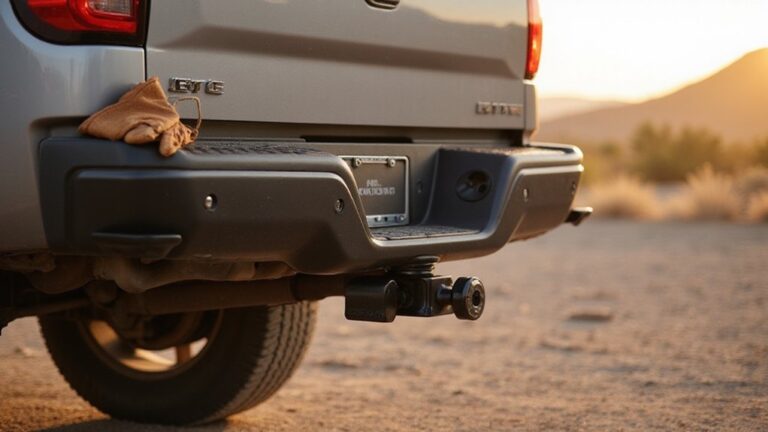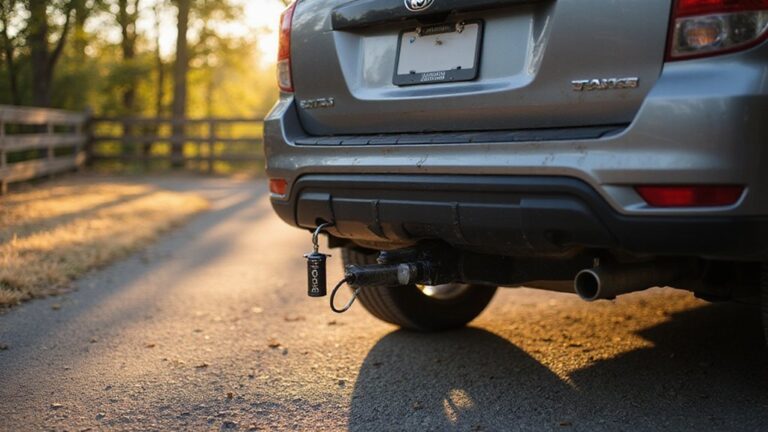
Ball Mount vs Hitch Ball: What’s the Difference?
If you’re wondering about the difference between a ball mount and a hitch ball, you’re not alone. Understanding how each part works helps ensure your trailer stays secure and your towing is safe.
Essentially, the ball mount provides the support structure that slides into your vehicle’s receiver, while the hitch ball connects directly to your trailer’s coupler.
Keep reading to see how choosing the right components impacts your towing experience.
Ball Mount vs. Hitch Ball: What Each Part Does and Why It Matters
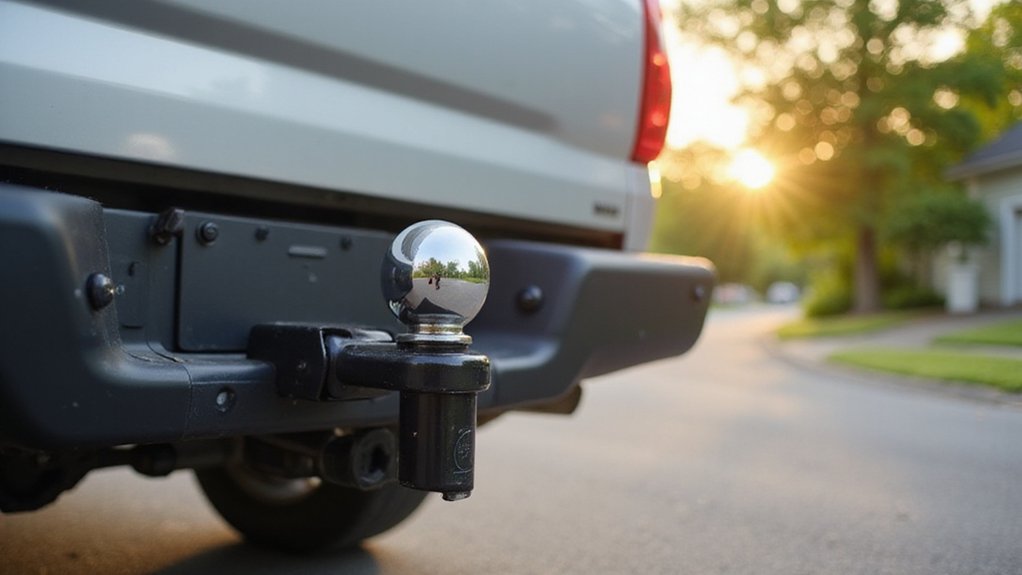
The ball mount and the hitch ball serve different purposes and are both essential for safe towing. The ball mount slides into your receiver hitch and provides support for the hitch ball, which is the rounded steel component that connects directly to your trailer’s coupler. You secure the ball mount with a pin, ensuring it stays firmly in place, and then thread the hitch ball onto its platform. This setup creates a pivotal point that allows your trailer to turn smoothly and absorb bumps during transportation. Proper matching and installation of both parts are critical for maintaining stability and safety on the road. Using an incompatible ball size or load rating can lead to instability or damage, affecting your control and the longevity of your equipment. Ensuring that both your ball mount and hitch ball are compatible with your hitch receiver and trailer specifications helps you tow confidently and avoid potential hazards. For heavy loads, using a top furniture dolly can simplify moving heavy items around your garage or workshop. Receiver hitches are permanently bolted to a vehicle’s frame for high-strength towing support. When selecting equipment, you should also compare the durability and cost of different moving aids to match your specific towing needs.
How to Choose the Right Hitch Ball Size for Your Trailer Coupler
To choose the correct hitch ball size for your trailer coupler, start by identifying the exact diameter required. Check the stamp near the latch—common sizes are 1-7/8 inches, 2 inches, or 2-5/16 inches. If the stamp is worn or missing, measure the coupler opening with a caliper or ruler to ensure accuracy. The ball size must match the coupler size exactly; using an undersized ball increases the risk of trailer detachment and can compromise safety.
Next, verify that the ball’s shank fits your ball mount’s hole properly. The shank should be inserted completely but leave at least two threads visible after tightening. This ensures a secure fit. Remember, matching the diameter is more critical than just considering weight capacity. Selecting the correct towing accessories, including hitch balls, prevents dangerous separation while towing. Always double-check both the ball size and load rating before every use to maintain a secure and safe towing connection.
How to Calculate Ball Mount Rise or Drop for a Level Trailer
To calculate the ball mount rise or drop needed for a level trailer, start by measuring your trailer and tow vehicle on level ground. First, measure the height from the ground to the top inside of the receiver opening on your vehicle—that’s your receiver height. Then, level your trailer and measure from the ground to the bottom of its coupler—that’s your coupler height. Subtract the lower measurement from the higher one. If the receiver height is greater, you need a drop in your ball mount; if the coupler height is higher, you need a rise. A properly calculated setup maintains optimal vehicle and trailer function. Use your ball mount in the correct orientation to achieve a level hitch, which improves trailer stability by evenly distributing the weight. Many users also compare towing accessories to ensure they have the best equipment for their needs, such as consulting top garden carts for hauling supplies around the yard. For fine adjustments, consider a ball mount with adjustable rise or drop features. Always secure loose straps and hooks to prevent snap-back injuries, as safe handling practices reduce the risk of accidents during loading and unloading. Understanding the capacity of your hauling equipment is essential, and knowing how many wheelbarrows in a yard helps you estimate the volume of material needed for landscaping projects.
Will Your Receiver Size Limit Your Ball Mount Choices?
Your receiver size is the first factor that determines which ball mount shanks will fit. The receiver tube size sets the physical limit on the shank diameter you can use. Standard shank sizes are 1-1/4 inches, 2 inches, 2-1/2 inches, and 3 inches. A 1-1/4 inch receiver only accepts a 1-1/4 inch shank, typically for Class I or II hitches. A 2 inch receiver is the most common and fits Class III and IV setups. Smaller receivers generally have fewer mounting options compared to the widespread 2 inch size. For a 2-1/2 inch receiver, you might need a reducer sleeve to fit a 2 inch shank, but this is less common. Always match your ball mount’s shank size strictly to your receiver opening first, as this limits your choices before considering rise, drop, or ball diameter. Top collapsible folding wagons share a similar design principle where the tube size determines compatible accessories. When selecting a cargo roof top carrier, the crossbar tube size similarly dictates which mounting brackets will be compatible. For kitchen organization, a best utility cart offers adjustable shelves that accommodate various storage needs.
How to Match Load Ratings for Safe Towing
To ensure safe towing, always match the load ratings by using the lowest-rated component in your towing chain as your maximum capacity. Check the stamped ratings on your hitch ball, ball mount, receiver, and trailer. If your ball mount is rated lower than your ball, the mount becomes the weak link, regardless of the ball’s higher capacity. Towing safety depends on load compatibility across every part of the system. Don’t rely solely on the ball size; a 2-inch ball, for example, can have capacities ranging from 3,500 to 8,000 pounds depending on its stamped rating. Additionally, verify your vehicle’s tow rating and measure the actual tongue weight, aiming for 7% to 12% of the gross trailer weight. Oversized hardware won’t compensate if another component is undersized. By matching all ratings precisely, you avoid overloading and ensure a safer towing experience. Furthermore, use a secure locking pin to prevent the hitch pin from vibrating loose during travel, protecting the connection point. Similar principles apply to wheelbarrow tires, where choosing the right tire prevents strain on the axle and frame. For heavier loads, consider an aluminum cargo carrier to distribute weight more efficiently and reduce strain on your hitch assembly.