What Are Bungee Cords? Types, Uses & Safety Basics
If you’ve ever wondered how to secure a load or absorb shock effectively, bungee cords might be just what you need. These elastic cords use rubber to stretch and then snap back, helping you tie down or cushion items safely.
Choosing the right type can make a big difference in your tasks, and safety is key. Keep reading to learn everything you need to know about selecting and using bungee cords properly.
What Is a Bungee Cord and How Does It Actually Work?
A bungee cord works by stretching elastic material—usually rubber or latex—that stores potential energy when pulled. When you extend the cord, this energy is stored as the core elongates under tension. Once released, the stored energy converts back into kinetic energy, pulling the cord back to its original length and recoiling. This cycle of stretching and recoiling absorbs shocks, making bungee cords useful for securing loads or performing jumps. Unlike the simpler mechanisms of ratchet strap repairs, a bungee cord’s continuous self-recoiling action relies entirely on material elasticity rather than mechanical locking. If a bungee cord’s sheath or core is damaged, it can fail just like a worn caster wheel can break, making proper inspection techniques essential for safe reuse. For securing kayaks to roof racks, many users instead prefer cam straps because of their reliable mechanical locking.
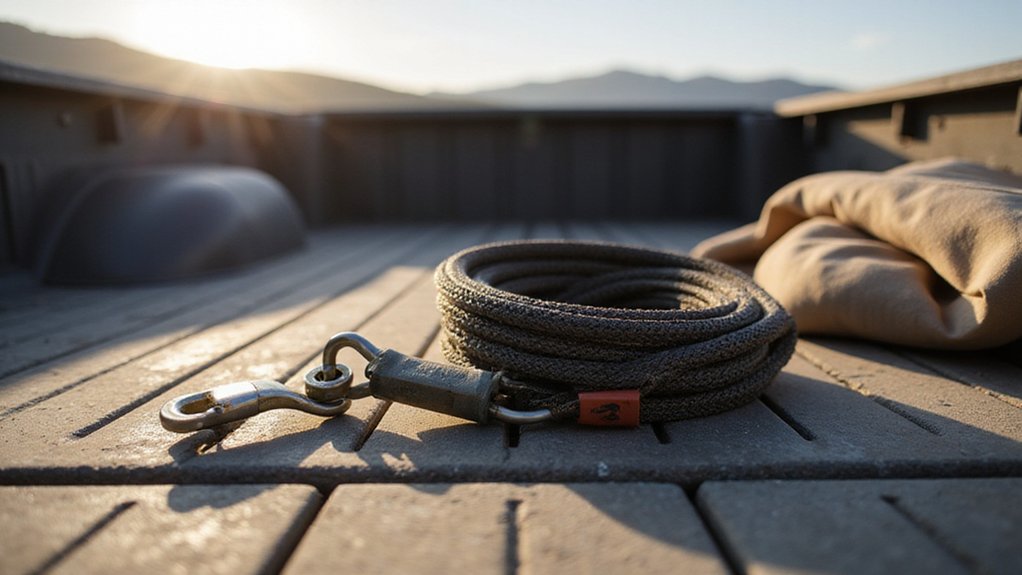
Manufacturers typically bundle multiple strands of rubber, creating a flexible core. This core is then wrapped in a woven sheath that protects it and makes handling easier. Attached hardware at each end allows you to secure the cord to objects or jumpers. The key principle governing its operation is Hooke’s law, which states that the force needed to stretch the cord increases proportionally with its extension—up to its elastic limit. Staying within this limit ensures the cord performs safely without sudden failure or releases of stored energy.
6 Common Bungee Cord Types and How to Choose
There are six common types of bungee cords, each suited to different tasks based on load requirements and attachment methods. Standard bungee cords are ideal for light loads and frequent adjustments, emphasizing length and stretchability. Heavy-duty versions feature thicker covers for increased stability and better resistance to abrasion, making them suitable for heavier loads. For example, when using a heavy-duty cord for mobility, adding locking casters ensures the gear stays in place during transit. Adjustable cords offer versatility by allowing you to modify their length, reducing the need for multiple sizes and simplifying various jobs. Ball bungees incorporate loops for quick on-off access, perfect for securing tarps or lightweight covering. Flat cords are designed for tight spaces where traditional round cords might not fit comfortably. Specialty options like carabiner or mini cords are tailored for specific tasks—either attaching to particular anchor points or providing surface protection. When selecting the right type, consider your task’s weight, attachment style, and how often you’ll need to access or adjust the cords. For transporting heavy items like luggage or gear, a heavy-duty option paired with a Top Cargo Carrier can provide superior stability and abrasion resistance. When securing motorcycles to a trailer, using heavy-duty bungee cords with proper anchors is critical for safe transit.
Bungee Cord Materials: Rubber, Fabric, and Metal Choices
The materials used in bungee cords significantly influence their performance and lifespan. The core is usually made from natural or synthetic latex rubber, which provides controlled stretch and absorbs energy effectively. Multi-strand cores distribute the load evenly, reducing the risk of failure under tension, while blended rubber can offer cost savings or tailored performance characteristics. For extreme durability, a core constructed from high-quality Thai rubber latex can stretch to twice its length and withstand harsh conditions. The fabric sheath, whether nylon, polyester, or polypropylene, shields the core from abrasion and UV damage, extending the cord’s usability. For hardware, galvanized steel hooks are suitable for general tasks, but stainless steel offers superior corrosion resistance in moisture-rich environments. Plastic-coated hooks help prevent marring or scratching surfaces. Environmental conditions matter—marine or high-humidity settings call for stainless steel, whereas abrasive tasks require a tougher sheath. To ensure the load is held securely during transport, it is important to review the installation and safety check procedures for compatible accessories. Pairing your bungee cord with quality ratchet straps ensures the most secure tie-down for heavy or shifting cargo. Matching your cord’s materials to your specific needs ensures durability and safety, avoiding premature failure. For transporting heavy loads, a two-wheel wheelbarrow offers superior stability and performance compared to standard designs.
How to Inspect a Bungee Cord and Spot Signs of Wear
Inspect the entire bungee cord thoroughly before use, focusing on every inch of the sheath, ends, and hardware. Use your fingers to run along the full length of the cord, feeling for frayed strands, cuts, or areas that feel thinner than the rest. Look for bunched threads or uneven tension, as broken threads exceeding 5 percent indicate potential failure. Check for stiffness, brittleness, glazing, or discoloration, which all suggest material deterioration. Environmental effects like UV damage or chemical exposure can weaken the rubber, so examine for any signs of these conditions. Test the cord by stretching it gently and ensuring it snaps back to its original length; permanent elongation signals overload or damage. Inspect hooks for bends, cracks, or corrosion, ensuring attachment points are secure and not slipping. Also, look for bulges, necking, or loss of elasticity, and remove the cord immediately if any of these signs are present, as they mean the cord is no longer safe for use. For heavy loads requiring more stability, a heavy-duty beach wagon offers a durable alternative to bungee cords. Consider using a furniture dolly instead for heavy or awkward loads, as it provides a more stable and safer moving method. For securing loads to a vehicle, ensure compatibility with your trailer hitch mounting to prevent shifting during transit.
Where Bungee Cords Are Used: From Truck Beds to Camping Tents
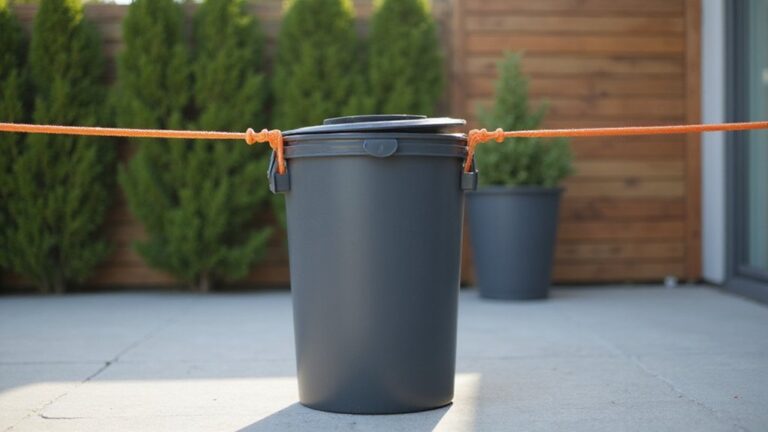
Bungee cords are versatile tools for securing items quickly and securely. When hauling cargo in a truck bed, they provide an easy, reusable option for fastening lightweight objects like boxes, coolers, or bundled tools without needing a ratchet strap. They are especially useful for fastening tarps over loads, shielding gear from rain or wind during transport. For camping, you can stretch them between trees to form a rain shelter, hold down tent flies, or keep cooler lids tightly closed. This makes them similar to a cargo net in their ability to hold loads in place with stretch and tension. When transporting larger loads, consider using a collapsible folding wagon for easier movement of heavy gear. Beyond transport, bungee cords help with office organization by bundling cables or keeping papers flat on a desk. They also serve decorative purposes, such as securing outdoor banners or creating tension-based displays for lightweight artwork. Their flexible, stretchy design makes them suitable for numerous everyday applications both practical and creative.
Safe Use and Storage Rules Every Bungee Cord Owner Should Follow
To ensure your bungee cords remain safe and functional, always inspect them thoroughly before each use. Look for fraying fibers, cuts, or any signs of a damaged core. Replace cords showing signs of wear immediately, as compromised cords can fail unexpectedly. Never exceed the rated load capacity listed on the cord’s label, which could weaken the material or cause sudden breakage. Also, avoid letting a cord snap back uncontrolled—stand clear of the recoil path and hold onto both ends firmly during tensioning and release. For damaged or broken cords, knowing common failure points can help you decide whether to discard them or attempt a temporary fix. As with appliance dollies, improper load distribution can cause the cord to slip or snap under stress. A wheelbarrow tire repair similarly demands careful inspection of the valve stem and rim edge to avoid pinch flats or air leaks.
Proper storage extends the life of your bungee cords. Keep them clean, dry, and fully relaxed in a cool, shaded location away from direct sunlight, heat, oil, and chemicals. Never store cords in a stretched or wet state; ensure they are dry first. Coil or hang them neatly in an organized manner and sort by size for easy access. Recheck each cord before use to confirm no damage has occurred during storage. Treat your cords as consumable items: if there’s any doubt about their condition, discard them and replace with new ones to maintain safety.