How to Use a Furniture Dolly: Move Heavy Items Solo
Moving heavy furniture solo can be tough if you don’t have the right tools or technique. A furniture dolly is a simple solution that makes lifting and shifting large items easier and safer.
Knowing how to push instead of pull, secure your load properly, and choose the right wheels can prevent injuries and damage.
Keep reading to learn how to master your moves with a furniture dolly.
Know What a Furniture Dolly Can and Can’t Handle
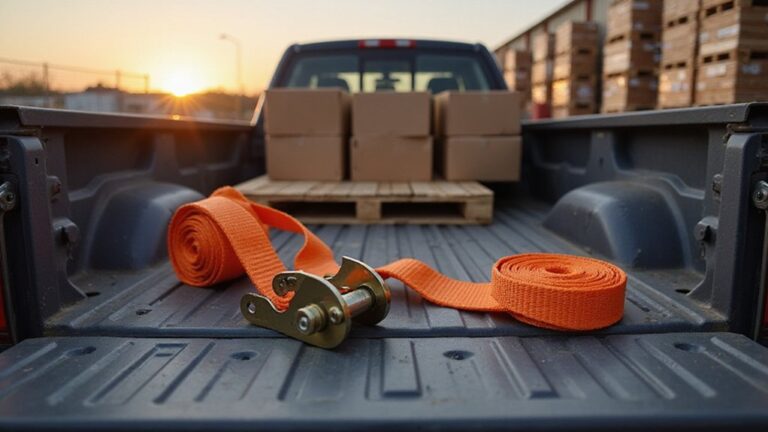
Most furniture dollies can handle around 1,000 pounds, but you can’t just pile on anything. Proper weight distribution is crucial. Place the heaviest part of your load low and centered on the platform to prevent tipping or sliding. Irregularly shaped or top-heavy items are poor candidates even if they stay within the weight limit. The dolly works best on flat, smooth surfaces and isn’t suitable for stairs or uneven terrain. For outdoor moves on grass or gravel, you may want to consider a model with pneumatic tires for better traction and stability. Regular maintenance, like checking wheel integrity and frame sturdiness, is essential to avoid failure. If you cannot keep your load stable during transportation, consider using straps to secure tall or bulky items, ensuring nothing shifts mid-move. For help choosing the right model, read reviews of top furniture dollies for easy moving. When assessing your dolly’s capacity, remember that cargo bike weight limits often apply similar principles, where the total load must include the rider and gear, not just the main payload.
Pick a Dolly by Capacity, Wheel Type, and Size
Start by selecting a dolly with a weight capacity that surpasses your heaviest item by at least 1,000 pounds. For typical household furniture, a capacity of 1,500 pounds offers a solid safety margin, while bulky antiques or appliances may require ratings of 2,000 pounds or more. Ensuring the capacity exceeds your load prevents overloading and enhances safety. To keep wheels rolling smoothly over time, regularly cleaning caster wheels removes debris and grime that can cause stiffness. For lighter items that don’t require a heavy dolly, a collapsible folding wagon provides a versatile alternative for easy transport.
Next, match the wheel type to your surface. Rubber or polyurethane wheels are best for indoor use because they protect floors and provide a smooth ride. Pneumatic wheels, which are air-filled, excel outdoors where rough terrain and uneven paths are common. This model’s rubber-encased wheels ensure smooth mobility across various surfaces. For securing loads during transport, consider using top ratchet straps to prevent shifting and damage.
Wheel size also affects maneuverability. Four-inch wheels work well for standard indoor tasks, offering simplicity and stability. For easier movement over thresholds and uneven surfaces, opt for larger wheels—ranging from five to ten inches in diameter. Larger wheels roll more easily, reducing effort during moves.
Regular maintenance is essential; check wheels and the deck for signs of wear before each use. Keep safety equipment like gloves and straps nearby to secure loads and prevent strain. Additionally, a stable footprint that matches the base of your load helps prevent tipping and allows safe, single-person operation of heavy items.
Prep Your Route and Protect Your Floors
Start by planning your route carefully. Remove rugs, cords, and toys from the pathway to prevent tripping hazards and wheel snags. Measure doorways, hallways, and turns to ensure your dolly will fit without difficulty. Open all doors wide and secure them so they won’t swing shut. Be on the lookout for thresholds or uneven surfaces that could catch wheels, causing damage or shifting your load unexpectedly. Choose the shortest, most direct route to minimize handling time and reduce the risk of accidents. When moving items, consider how a truck bed extender can be installed safely to secure oversized loads and prevent shifting during transport. For transporting larger loads, reviewing the best dirt bike trailer can help you select a model with durable ramps and secure tie-down points.
Protect your floors with appropriate coverings. Match your protective material to the surface: use soft rubber wheels on finished wood, tile, or laminate floors. Lay down cardboard, Ram Board, or plywood on hard surfaces to act as a barrier. For particularly delicate flooring, place a hardboard under heavy loads to prevent scratching or denting. Tape the coverings securely in place to prevent bunching or shifting, but avoid leaving any sticky residue behind. Ensure the coverings are flush at doorways to prevent wheels from jolting or catching. Throughout moving, wipe up spills immediately, keep grit and debris off the route, and pad sharp furniture edges. These steps will help you avoid scratches, dents, and scuffs every time.
Load a Furniture Dolly Without Tipping It
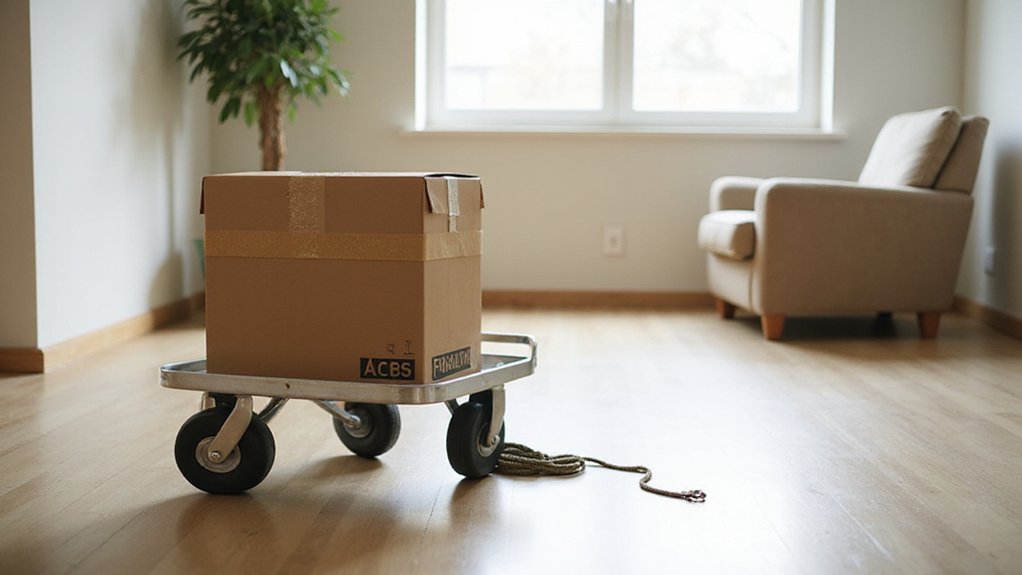
To load a furniture dolly without tipping it, start by centering the load carefully. Place the dolly attachment alongside the item’s longest side, then slide the platform fully underneath. Align the dolly’s center with the furniture’s center point so the center of gravity sits directly over the dolly. An off-center load increases the risk of tipping. Tilt and lift the furniture with control—just enough to slide the dolly underneath—and then lower it gently onto the platform. For a similar approach to balancing heavy gear, consider how top camping trailers are designed to keep weight centered over the axle. Make sure to distribute the weight evenly, positioning heavier parts lower. Use straps to secure the load firmly through the dolly frame, tightening until everything feels stable and tight. Test for stability by gently rocking the load; if it leans or wobbles, make small adjustments until it feels steady and centered before rolling. When choosing a dolly, consider its load capacity to ensure it matches the weight of your furniture, similar to how receiver hitches are rated for different towing needs. For lighter protection on finished surfaces, you might also use furniture sliders for wooden floors to reposition items without a dolly.
Push, Don’t Pull, a Furniture Dolly
Always push, not pull, the furniture dolly once your load is securely strapped and centered. Keep the cart ahead of your body so it rolls in front of you, which allows for steadier steering and a clearer view of your path. Use a proper stance with your back straight, knees bent, and the handles positioned between your elbow and hip. This posture helps you engage your entire body to apply force efficiently. For added protection on delicate floors, consider pairing the dolly with furniture sliders to reduce friction and prevent scratches during repositioning. Grip both handles with an ergonomic grip to minimize strain and maintain control. Pushing forward keeps your shoulders in a natural position, making it easier to correct your course if needed. It also improves visibility, helping you avoid obstacles, doorframes, or uneven flooring. For moving heavy loads over longer distances, a XL folding wagon with brakes offers similar maneuverability and stopping power. Maintain a controlled walking pace, especially on flat surfaces, to prevent accidents. Never pull the dolly backward, as this limits your view, increases strain, and raises the risk of tipping. For securing taller items upright, a roof rack system with cam straps can provide a stable anchor point if you’re transferring loads between vehicles. Pushing consistently is the safest and most effective way to move heavy loads.
Fix a Shifting Load Mid-Move
If a load shifts mid-move, you must stop immediately to prevent tipping or wheel binding. Lower the item to regain control, then carefully re-center it so the heaviest part sits over the dolly’s platform. Focus on proper weight distribution; make small adjustments to avoid destabilizing the load. Check for rocking or uneven wheel compression, which are signs of an off-center or unbalanced load. Reposition the item until it is balanced, ensuring all wheels sit firmly on the floor. Remember that the dolly’s four load-bearing wheels are designed to collectively bear 330 pounds, so keeping the weight evenly distributed across them is critical for safe movement. To ensure the straps hold firmly during this process, consider using top-rated ratchet straps that provide superior grip and adjustability. Before adjusting the load, it is wise to perform a final safety check of the dolly’s frame and wheels for any damage. For heavier items, you might also consult a guide on aluminum cargo carriers to see how similar weight distribution principles apply to hitch-mounted platforms.
Next, secure the load for stability. Wrap straps tightly over the furniture and through the dolly frame, tightening until the item feels secure but not overtightened—overtightening can damage finishes. After any stop or turn, recheck the tension to ensure straps remain tight. Before continuing to roll, confirm the load is centered and strapped down securely. When rolling, move slowly and avoid tight spaces that could jolt the load. After each bump, reassess the balance and strap tension to prevent the load from shifting again.
Never Use a Dolly on Stairs: Use Ramps Instead
Using a furniture dolly on stairs is dangerous and should be avoided at all costs. These dollies have four swivel wheels designed for flat surfaces, which can cause tipping or sliding when used on steps. Without handles, you also lack the control needed to navigate stair runs safely. Every step jolts the load, increasing the risk of damage and injury. For stair safety, the proper equipment and techniques are essential—furniture dollies are not suitable for this purpose. Instead, opt for ramps that provide a smooth, controllable surface for moving heavy loads thoroughly and securely. For moving large appliances, a hand truck with stair climbers is a far safer choice than a standard dolly. For sandy or soft terrain, balloon wheels offer superior stability compared to standard casters. Heavy-duty yard carts, like those rated for lawn mower transport, are built with larger wheels and sturdy frames that offer a stable towing alternative on uneven ground, but they still require a ramp for any elevation change.
Unload the Furniture Dolly Without Damage
To unload the furniture dolly without damage, start by positioning the dolly as close as possible to the furniture’s final resting spot. This minimizes the distance you need to move the item later and reduces strain. Then, tilt the dolly forward slowly until the base touches the floor, ensuring you have furniture padding underneath beforehand to cushion any impact. Maintain proper grip techniques by holding onto stable parts of the frame—not on panels or legs—to avoid damaging the furniture or losing control. Use leg strength to lower the item in a slow, controlled manner, avoiding sudden drops that can strain joints or cause injury. Once the base is securely on the ground, hold the furniture steady. Carefully slide the dolly platform straight out from beneath the piece—never yank it—to prevent tipping. Keep the weight evenly distributed during this process for stability. Protect flooring by laying down runners or blankets along the path, and use soft wheels on the dolly when possible to reduce floor impact. Before removing any straps, make sure the furniture is stable and secure to prevent accidental falls or damage.