Poly vs Steel Wheelbarrow: Which Should You Choose?
Deciding between a poly or steel wheelbarrow often comes down to how much weight you plan to carry and where you’ll use it.
Steel models can handle over 1,000 pounds and last for decades with proper care, making them perfect for tough jobs.
Poly wheelbarrows, on the other hand, are lighter, more resistant to rust, and better suited for lighter, more frequent tasks.
Keep reading to find the best fit for your needs.
Steel vs Poly Wheelbarrows: Which Handles Heavy Loads Better?
Steel handles heavier loads better than poly. Steel wheelbarrows can typically support over 1,000 pounds, thanks to their robust frames and trays that resist gouges and flexing. They are ideal for rough, abrasive materials like rebar or demolition debris. Poly wheelbarrows generally max out around 800 pounds, even in heavy-duty models, as their flexible material can deform under dense point loads. When comparing options, buyers often find that dolly comparisons highlight similar trade-offs between durability and weight for moving heavy furniture. The right pneumatic tire can further improve load stability and rolling ease on uneven ground.
Material appearance and noise levels also differ: steel offers an industrial look and produces a loud clatter, signaling toughness. Poly, on the other hand, provides a quieter, sleeker operation, and resists rust, making it a good choice for wet conditions like concrete or manure. However, steel’s rigidity makes it better suited for rocky terrain and jagged debris. For repeated heavy abuse, steel maintains long-term structural integrity better, though it may require rinsing after wet jobs to prevent corrosion. Before loading either option, ensure the wheelbarrow’s hitch point (if used with a trailer) is locked and secured, just as you would attach and secure a bike trailer’s coupler to the rear axle.
Weight and Maneuverability: Which Is Easier to Push Daily?
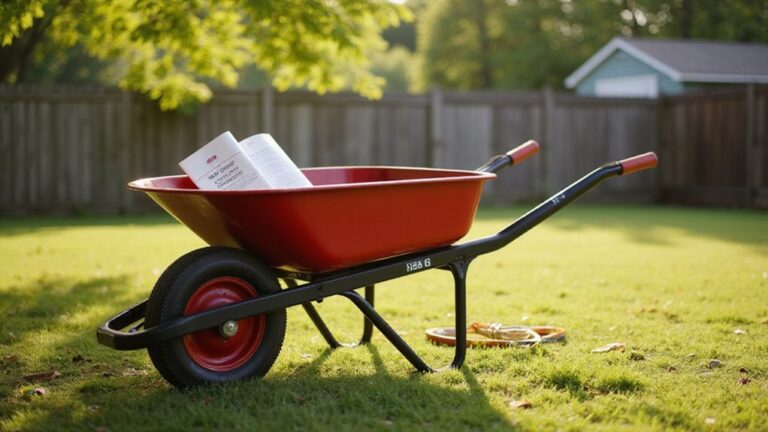
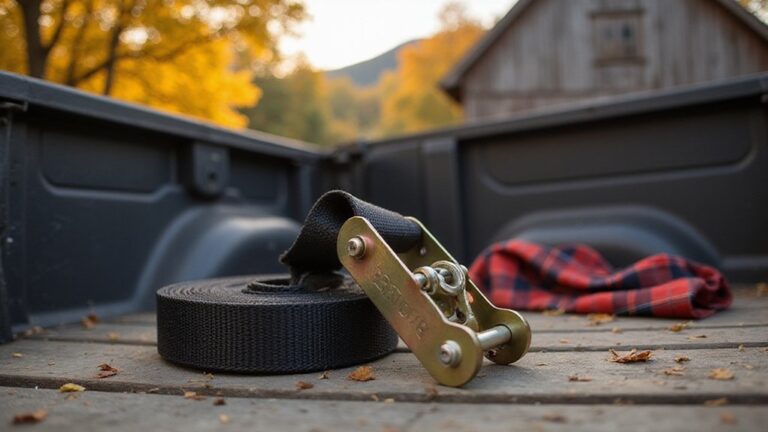
Poly wheelbarrows are considerably easier to push daily because they weigh as little as 10 to 15 pounds empty, compared to steel models, which can weigh between 20 and 50 pounds. This lighter weight greatly reduces the effort needed to start moving, steer, and lift, especially during frequent stop-and-go tasks. A lighter wheelbarrow also helps lower fatigue during repeated use, making yard chores less tiring. For optimal control and safety when moving your load, you should start by securing the load with a ratchet strap, just as you would with a heavy cargo strap. For maneuverability, pairing a poly tub with a single-wheel design and a quality tire with good grip makes turning in narrow paths effortless. Ergonomic handles further improve control, allowing you to pivot quickly without extra strain. In contrast, steel wheelbarrows have more mass, which makes starting to move and steering more difficult, particularly on slopes or in tight spaces. This increased weight demands more physical effort just to get moving.
Rust and Weather: Which Material Survives Outdoor Storage?
Poly wheelbarrows generally withstand outdoor storage better because they are resistant to rust. Unlike steel, their poly tubs do not corrode when exposed to rain or humidity, making them ideal for wet environments. However, UV exposure poses a challenge; standard polyethylene can become brittle over time when directly exposed to sunlight. To address this, look for models with UV stabilization or black poly, which resist photo-oxidation and extend lifespan outdoors. For top performance in securing your load, consider a wheelbarrow paired with top ratchet straps that offer quality and durability. For reliable transport, the webbing material and ratchet mechanism ensure a tight, non-slip hold. Before relying on any strap for heavy loads, always perform a final safety check to confirm the attachment points are secure and the webbing is free of wear.
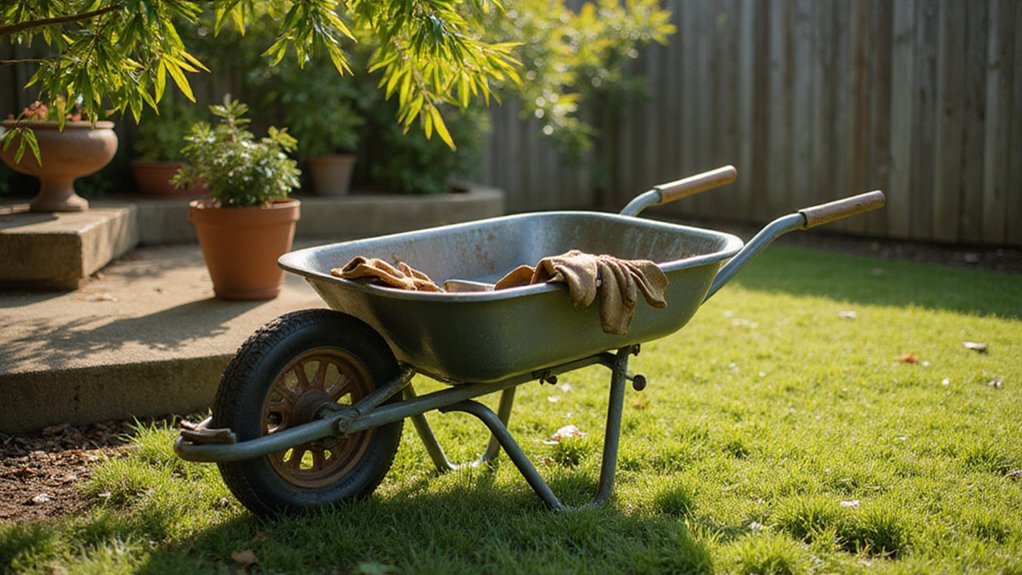
Steel wheelbarrows, by contrast, are more vulnerable to rust. Scratches or chips in the protective coating expose bare metal, and water pooling in the tub accelerates corrosion. Even if you cover a steel wheelbarrow, rust can still develop, especially if moisture gets trapped underneath the cover. Ensuring the tub is dry before covering can reduce this trapped moisture risk.
In moist climates, poly wheelbarrows offer a significant advantage due to their rust resistance. To maintain their durability, it’s best to store them in shaded or covered areas, which protect against UV damage. Both materials benefit from shaded or covered storage, but for different reasons: poly needs protection from sunlight, while steel needs to be shielded from excess moisture.
Lifespan and Maintenance: Which Needs More Upkeep Over Time?
Steel wheelbarrows require more maintenance over time compared to poly models. Steel is prone to rust and corrosion, so you will need to regularly scrub, dry, and apply touch-up paint to protect the metal. This reactive care stems from steel’s limited resistance to moisture, which accelerates oxidation. In contrast, poly tubs do not rust, making them easier to clean and maintain. Your main tasks with poly models involve washing off dirt and protecting the material from UV exposure, which reduces environmental impact on your time.
Both types require wheel bearing lubrication and tire checks, but steel models demand more labor and supplies to combat oxidation. With proper upkeep, a steel wheelbarrow can last decades, whereas poly models typically last 5 to 10 years. However, the lower maintenance needs of poly models make them far simpler to keep in good condition over time.
Cost and Value: Is Cheap Poly Worth It for Frequent Use?
Cheap poly tools tend to crack under heavy, abrasive loads. They are not suitable for sharp materials like concrete or bricks, which can lead to early replacement. A warranty shorter than 90 days indicates lower confidence in their longevity. For light, frequent tasks such as mulching, soil work, or leaf collection, poly models offer convenience and easy maintenance. However, for tough, consistent work, steel tools provide better long-term value despite the risk of corrosion. Just as a truck owner might compare top bed extenders to ensure durability and fit, you should weigh the material against your specific hauling needs. For those who prioritize hauling lighter loads frequently, a yard cart for lawn mowers can offer a more efficient alternative to a traditional wheelbarrow. A tow hitch uses a receiver and ball mount to securely connect a trailer to a vehicle, distributing weight for safe hauling.
Poly for Gardeners, Steel for Builders: Choose by Load and Terrain
Poly is your best choice for hauling organic materials like mulch, compost, or leaves around the garden. It is lighter, making it easier to maneuver and carry, especially over short distances or tight spaces. Its rust-proof surface stays looking fresh season after season, and its ergonomic design allows you to glide through narrow gates and moderate terrain without fighting the weight. Poly carts are ideal for bulky, lighter loads that require easy handling, helping you work efficiently without fatigue. For heavier or more rugged loads, consider a carrier with aluminum cargo construction for added strength without excessive weight.