How to Use Cam Buckle Tie Down Straps: Easy Guide
Wondering how to secure your cargo safely with cam buckle straps? You’re in the right place. These straps are simple to use, and with a few basic steps, you can tighten and lock your load confidently.
Proper use not only keeps your items safe but also helps your straps last longer. Keep reading for an easy, clear guide to master this essential skill.
What Are Cam Buckle Tie-Down Straps and What Are They Best For?
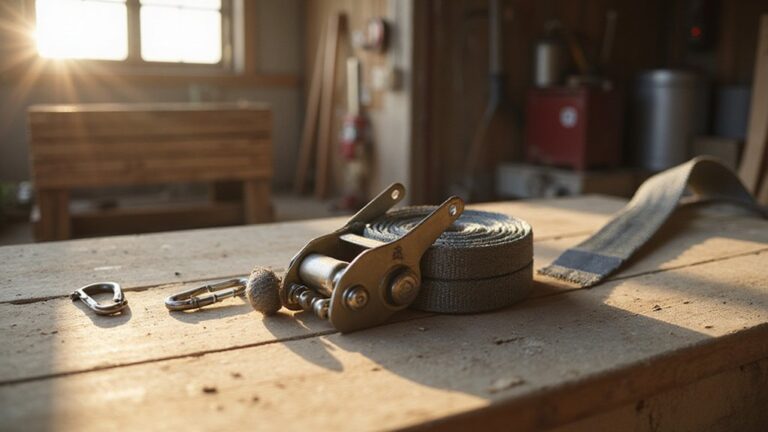
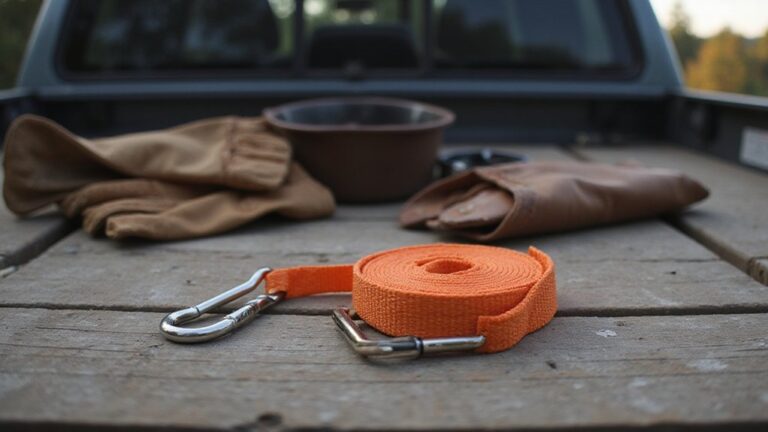
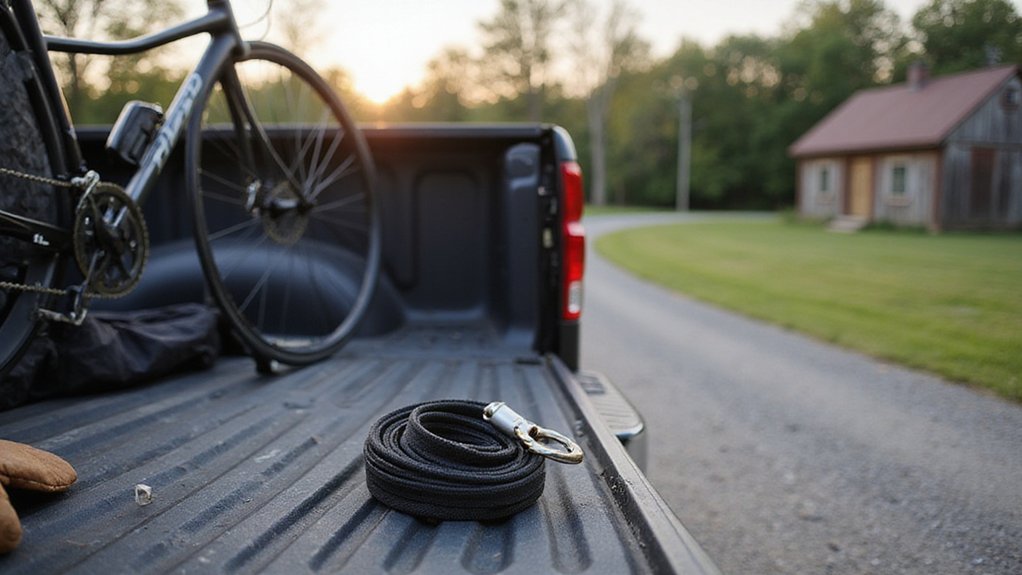
Cam buckle tie-down straps secure cargo by clamping onto polyester webbing with a simple lever. They provide a quick, hand-tightened method to hold items without the need for a ratcheting mechanism. These straps are ideal for light- to medium-duty loads such as kayaks, bikes, luggage, and furniture. Their durability comes from strong polyester webbing, which resists stretching and abrasion, but since tension relies on your hand strength, you won’t over-tighten delicate or fragile items. This makes them suitable for fragile loads or for quick securing in truck beds and trailers where speed matters. Because they lack mechanical advantage, you should avoid using them for heavy-duty tasks needing extreme tension. For a more comfortable grip during hand tightening, you might consider upgraded wheelbarrow handles designed to reduce fatigue. For a lightweight DIY cargo bike project, you could even secure components using cam buckle straps instead of welding. Always check the working load limit before securing loads to ensure safety and proper tension. For a broader comparison of securing options, you may want to review top ratchet straps for quality and performance in heavy-duty applications.
How to Thread a Cam Buckle Strap in Three Simple Steps
To thread a cam buckle strap properly, follow three simple steps. First, flip the buckle and press the cam lever to lift the teeth, opening the slot. Keep the strap flat to prevent twists, which is essential for maintaining the buckle’s grip and preventing slippage. Proper cam buckle maintenance starts with this initial step. Before beginning installation, always perform a safety check to ensure the truck bed extender is securely mounted and stable. For heavy furniture, using a high-quality dolly can significantly reduce the physical strain of moving. Avoid common errors like forcing the strap over dirty or damaged teeth, as this can compromise the secure load grip essential for safe transport.
Second, feed the loose end of the strap through the bottom opening of the buckle. Push the webbing up and out through the front exit, then pull until you have enough length. Ensure the strap sits flat against the teeth; a straight, untwisted feed enhances grip and reduces wear on the strap material. This process allows for proper threading to ensure safe tensioning and load security.
Finally, release the lever so the teeth clamp down on the strap. Pull the loose end to remove any slack. If you need to tighten or readjust, simply depress the lever again. Your strap will then be securely aligned and ready for tensioning without over-tightening, ensuring a safe and reliable load securement.
How to Tighten a Cam Buckle Strap Without Over-Tensioning
To tighten a cam buckle strap without over-tensioning, start by pressing the cam lever to release the buckle. Then, pull the loose webbing until the strap feels snug against your cargo. Stop immediately once contact is firm—cam buckles depend on hand strength, not brute force, so avoid pulling past the point where the cargo is compressed. Tighten in small steps and recheck the load’s stability after each adjustment. Your objective is a taut strap with no slack, not maximum force. Proper tensioning maintains load stability while preventing webbing damage. Watch for signs like load distortion or strain in the webbing. After locking the cam lever, make sure it holds firmly with no slack reappearing. Finally, give a gentle pull to confirm everything stays secure without harming your cargo. This approach respects the principle that hand-tightened tension aligns with early wheelbarrow designs where leverage, not excessive force, secured the load. Much like a wheelbarrow’s load balance, maintaining even tension prevents a strap from slipping or shifting. Always consider the cargo weight capacity when selecting your straps and tie-down hardware.
How to Protect Your Cam Buckle Strap and Cargo From Damage
To protect your cam buckle strap and cargo from damage, start by inspecting your straps before every use. Look for signs of fraying, cuts, burns, or UV damage that could compromise their strength. Check them again after rough roads or long trips to catch any new wear. Use edge protectors whenever webbing touches sharp metal edges or abrasive cargo to prevent cuts into the strap material. Keep straps off the ground and secure loose ends so they don’t flap or cause abrasion. When tightening, do so gradually until the strap is snug; this helps prevent crushing fragile cargo. Ensure proper load balancing to distribute weight evenly, reducing stress on individual straps. For extra protection, follow the cargo handling principles used in top e-bikes with cargo to avoid overloading and maintain stability. Choosing a class 3 receiver hitch ensures compatibility with a wide range of towing accessories and load capacities. For versatile storage solutions, consider a utility cart that can handle heavy loads in a compact space. Regularly clean the webbing with mild soap and water, then air-dry fully before storing it in a cool, shaded place. Replace any strap showing signs of corrosion, chemical burns, or stiffness. Proper care and maintenance will extend your gear’s lifespan and keep your load secure.
Where to Place Anchor Points for Maximum Security
Anchor points should be placed as close to the cargo as possible. This minimizes slack in your straps and gives you better control over the load. Attach your straps to strong structural mounting points like D-rings or frame loops instead of weak, movable parts. Keep the attachment angle shallow, ideally below 45 degrees, to prevent side loading that can compromise security. Symmetry in placement is crucial; position anchor points evenly across both sides of the load to maintain balance and prevent rotation. Using multiple secure points on each side, especially for bulky or irregularly shaped items, enhances stability. Always verify that each anchor point can handle the maximum tension before tightening to avoid failures during transit. For truck bed kayak transport, choosing top kayak carriers for trucks ensures your anchor points align with the gear’s mounting system. For mattress transport, using top ratchet straps ensures a snug, non-slip hold that prevents cargo shifting on the road. Similarly, when securing a bike trailer for dogs, proper anchor placement is essential to keep your pet safe and stable during travel.
How Many Cam Buckle Straps Should You Use Per Load?
For loads up to 5 feet long, use one cam buckle strap if the cargo weighs 1,100 pounds or less. For heavier loads or longer items, add extra straps: two for loads exceeding 5 feet but up to 10 feet, then increase by one strap for every additional 10 feet or fraction thereof. Longer loads generally require more straps to ensure stability and safety. For securing loads on a moving dolly or cart, consider pairing your straps with top caster wheels to enhance overall load stability. High-quality cam buckle straps, such as those reviewed in the Ultimate Guide, are designed to withstand significant tension without slipping. You can build a simple DIY cart frame without any welding to pair with your straps for even greater versatility.
It’s important to remember that these are minimum legal requirements. If your cargo is tall, irregularly shaped, or prone to shifting, you should use extra straps beyond the minimum. The material of your strap also influences how many you need; heavier webbing can handle more tension, meaning you might secure the load with fewer straps. However, don’t cut corners—overstrapping can be just as risky as understrapping, risking load movement and potential fines.
Safety Checks for Cam Buckle Straps Before and During Transport
Performing safety checks for cam buckle straps before and during transport is essential to ensure your load remains secure. Start with a cargo assessment: inspect anchor points and contact surfaces for sharp edges that could damage the webbing. Check the webbing’s flexibility by bending it; if it feels stiff, brittle, or shows signs of UV degradation, replace the strap immediately. Examine the stitching for fraying or unraveling and inspect all hardware for bends, cracks, or corrosion. Test the buckle by opening and closing it to confirm smooth spring action and that it locks reliably. Always remember to inspect the cargo net for any frays or tears as part of your pre-transport checks. During transport, recheck your straps after the first leg of the journey. Look for slackening, looseness, or new abrasions caused by cargo shifting. If you notice any damage such as frayed webbing or a cracked buckle, remove the strap from service right away. Never take chances with your safety. For additional project ideas, consider DIY drywall cart plans that include handy upgrades.
Common Mistakes to Avoid When Using Cam Buckle Straps
To avoid common mistakes when using cam buckle straps, pay close attention to how you thread, tension, and match them to your load. Correct threading starts with webbing passing from the bottom up and lying flat without crossing over itself. Misrouting webbing reduces grip strength and increases the risk of release, especially under vibration. Never over-tighten the straps; your goal is firm securement, not crushing pressure. Excessive tension can damage your cargo and place undue stress on the hardware. Cam straps are designed for light-duty cargo, so avoid using them for heavy loads like machinery. Regular strap maintenance is essential: inspect for frayed webbing, worn stitching, or UV damage before each use. Old polypropylene straps degrade quickly and should be replaced promptly. Additionally, protect webbing from sharp edges and keep it straight during tying to prevent abrasion. Always secure loose ends—flapping webbing leads to wear and eventual failure—by neatly tucking and fastening them. Understand that the cam buckle’s teeth are engineered to bite deeper under increased pull, so slippage under load is not a real failure mode when the strap is threaded correctly.
How to Release and Store Your Cam Buckle Straps for Next Time
To release and store your cam buckle straps correctly, start by pressing the cam lever fully to disengage the teeth, while keeping one hand on the webbing to control its movement. Depress the cam completely before sliding the webbing back through the slot to prevent it from snapping back suddenly. Make sure to feed the strap out without twists; this will make re-threading easier next time.
Next, inspect both the strap and buckle for any signs of wear such as frays, cuts, or stretched areas, and check the buckle for dirt, debris, or damage. Wipe off dirt and rinse away salt or grime, then dry the strap thoroughly to avoid mold growth. Consistent folding methods prevent the tangles and clutter that come from disorganized storage, making your next retrieval effortless.
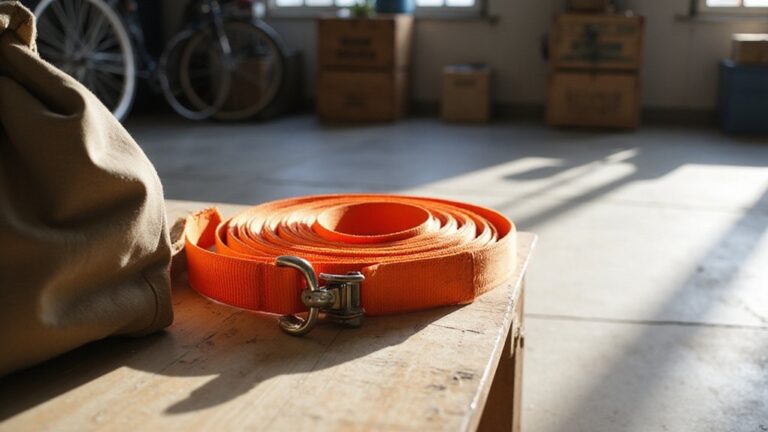
For optimal storage, roll the webbing neatly around the buckle, which acts as a natural keeper, and keep the webbing flat to prevent twists. Store the buckle in a dry, shaded place, away from sharp objects that could cause damage. Using a dedicated bag or container for your straps keeps them tangle-free and ready for your next use. Proper release and storage extend the lifespan of your cam straps and ensure quick, clean re-use.