Garden Way Cart: Features, Uses & Buyer’s Guide
Got a heavy load to move around your yard and wondering how to do it without straining yourself? A Garden Way cart is designed to make hauling large, heavy items easier, with features that distribute weight and improve control.
Whether you’re transporting soil, stones, or garden debris, understanding what makes these carts helpful can help you choose the right one. Keep reading to learn everything you need to know.
Why a Garden Way Cart Beats a Wheelbarrow for Heavy Hauling
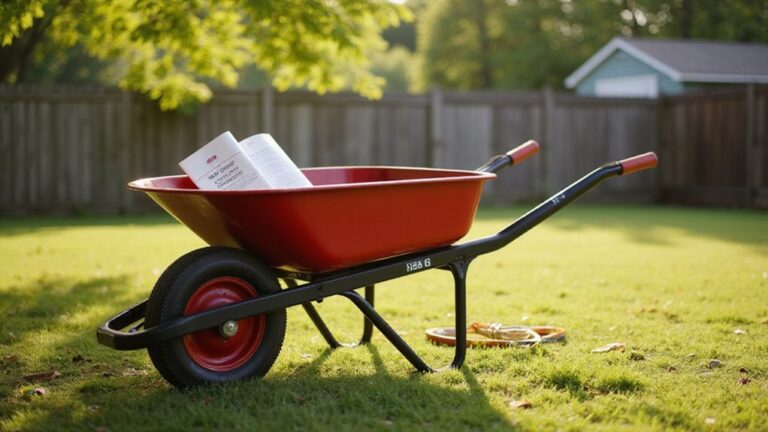
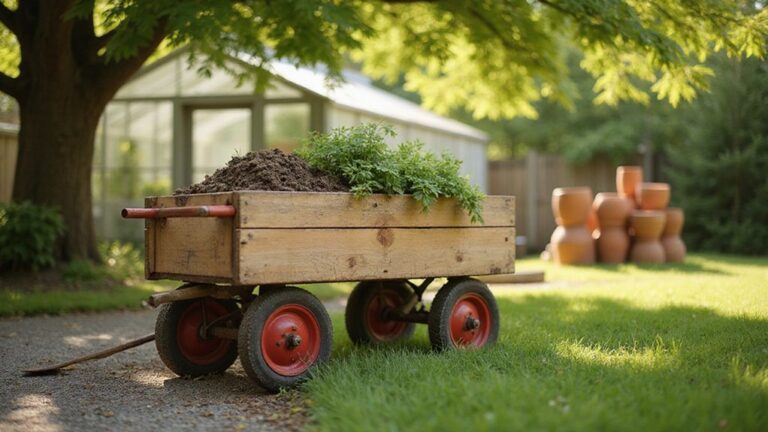
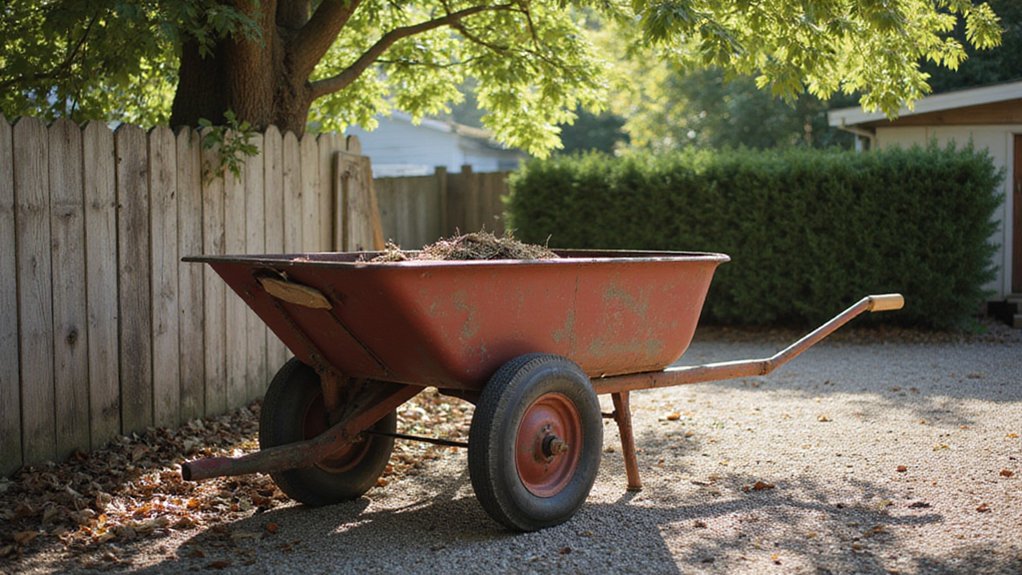
A garden cart outperforms a wheelbarrow for heavy hauling because it distributes weight evenly across four wheels, making balancing loads much easier. Unlike a wheelbarrow, which pivots on a single wheel and requires effort to keep steady, the cart’s four wheels provide stability and support for bulky, heavy loads. Its low-profile, level tub keeps the center of gravity low, reducing the likelihood of tipping over during transport. Pulling a cart also reduces physical strain since you don’t have to lift and balance weight, which can be exhausting over long distances or multiple trips. The smooth rolling action allows you to pull with one hand, so fatigue is minimized. You can enhance your cart’s functionality with accessories like stake sides or a dump feature, and many models come in various colors to match your style. For maximum floor protection while maneuvering these heavy loads indoors, top furniture sliders can be placed under the cart to prevent scratches on wooden floors. For families moving heavy loads, a cargo bike offers similar stability and ease of use. For those who prefer a tool with a flat platform, furniture dollies provide comparable stability for moving heavy boxes indoors. Overall, a garden cart is a smarter choice for carrying bulky, mixed loads with less effort and greater stability.
How Much Weight a Garden Way Cart Can Really Carry
The typical load rating for steel garden carts is around 400 pounds, but your actual hauling capacity depends on factors like terrain and material density. Dense materials such as soil or rocks bring you closer to the cart’s true limit, while bulky items like leaves often fill the bed before reaching the weight capacity. Sloped or uneven ground reduces how much weight you can safely carry, so always match your cart choice to the densest materials you plan to move. Opting for a model rated at 500 pounds or higher provides extra headroom, making hauling easier and more ergonomic. This reduces strain on your body and can help lower your environmental impact by decreasing the number of trips needed. A side-by-side comparison of wheelbarrows and dump carts reveals that the two-wheeled design of most garden carts offers superior stability for heavy loads. To ensure safe and efficient use, always leave some margin below the maximum capacity and avoid pushing your cart to its limit on rough terrain. A well-designed cargo net can also help secure loose loads, preventing shifting materials from destabilizing the cart during transport. A cart like the Strongway Garden Cart, with its 400-pound capacity, provides a sturdy steel frame and pneumatic wheels for stable maneuverability on varied ground. For moving particularly dense loads, consider a model with integrated ramps to simplify loading heavy materials onto the cart bed.
What Wheel and Tire Size Your Garden Way Cart Needs for Rough Terrain
A 13-inch diameter wheel is ideal for rough terrain because it rolls over bumps and ruts more effectively than smaller options like 10-inch wheels. This size also helps prevent your cart from getting stuck in mud or soft soil. Pneumatic tires, which are filled with air, provide better cushioning and traction on grass and gravel, making them a preferred choice for uneven ground. Wider tires, typically around 4 to 6 inches, improve flotation and stability, reducing the risk of tipping on uneven paths. Before purchasing new wheels and tires, you must verify compatibility with your cart’s hub width and axle bore size—common measurements are 5/8 inch or 3/4 inch. Even if the diameter matches, a mismatched hub or bore size will result in poor fitment or installation issues. For the toughest terrains, start with 13-inch pneumatic wheels featuring an aggressive tread pattern for maximum grip and durability. For additional guidance, consult a review of the best cart tires to compare top-rated options for rough terrain. High-quality models often feature top ratchet straps for secure load fastening during transport over uneven ground. A receiver hitch lock can also be used to secure the cart attachment point on a tow vehicle.
5 Common Uses for a Garden Way Cart Around Your Property
A Garden Way cart is excellent for hauling bulky materials like mulch, soil, and compost. It allows you to transfer heavy, damp loads directly to your garden beds, eliminating the need for multiple trips by hand. This saves both time and effort, making garden bed preparation more efficient. Additionally, you can use the cart to transport nursery stock, potted flowers, and seedlings to their planting spots, which minimizes bending and reduces back strain. For sandy or beach-like terrain, look for models with wide balloon tires that prevent sinking and improve stability. For those who also need to transport bicycles, a receiver hitch carrier offers a similar convenience for moving bikes without strain. Before using any attachment system, always perform a final safety check to ensure connections are secure and stable.
The cart also helps you organize your tools and supplies. You can gather fertilizer bags, pruners, and potting materials in one trip, avoiding cross-property runs. Yard waste collection becomes faster: gather dead leaves, twigs, and debris, then load it into the cart to take it to your compost pile or curbside. Lastly, you can move heavy landscape materials like firewood, rocks, and pavers easily without straining yourself. This versatility makes the Garden Way cart a vital tool for handling tough or messy jobs around your property.
Choosing the Right Bed Size for Your Garden Way Cart
Start by matching the bed size to your main hauling needs. Small beds around 3 to 4 cubic feet are suitable for lightweight loads like hand tools, seedlings, or small gardening supplies. Mid-size beds near 6 cubic feet offer a balanced option for general yard work, handling a variety of materials without being cumbersome. Large beds up to 14 cubic feet are ideal for bigger jobs such as transporting soil, mulch, or larger pots, allowing you to complete tasks in fewer trips. For easier transportation, you might also consider a collapsible folding wagon which can collapse for compact storage and portability. As a rule of thumb, a single yard of material typically fills about 14 to 17 wheelbarrow loads when using a standard 6-cubic-foot cart.
It’s also important to consider load capacity in relation to bed size. For example, a 36-inch by 20-inch bed typically supports up to 600 pounds, making it good for moderate loads. A larger 44-inch by 30-inch bed can support up to 1,400 pounds, suitable for more substantial jobs. Keep in mind that larger beds can contain more material but may not always have a proportionally higher load rating, so always check both dimensions and capacity. When comparing options, remember that a furniture dolly has different weight limits based on its construction and wheel type.
Depth matters too—deeper beds help contain loose materials and prevent spillage, especially when hauling bulk items. Smaller beds are easier to maneuver through tight spaces and narrow paths, while larger beds excel at hauling larger quantities in a single trip. Match your cart’s size to your storage space and typical tasks for the most efficient and comfortable operation.
4 Must-Have Garden Way Cart Features: Dump Doors, Frame Gauge, and More
A dump-door design with a lever or quick-release mechanism is essential for easy unloading. This feature allows you to dump soil, mulch, or other materials without heavy lifting, saving time and effort. Keep in mind that the dump capacity—how much the cart can unload at once—may differ from the total load capacity. For example, a cart might hold 1,200 pounds overall but only be rated to dump 500 pounds at a time. The frame gauge also matters: a 16-gauge steel bed with a powder-coated finish resists rust and is sturdy enough to handle dense, wet soils. Pneumatic tires improve maneuverability on uneven terrain, reducing strain, while an ergonomic handle and well-balanced weight distribution make pulling easier. Much like securing heavy loads in a truck bed, using ratchet straps ensures items stay stable during transport. For truly heavy loads, consider models with heavy duty dolly features like reinforced frames and high weight ratings to ensure stability. Focus on these features to ensure your cart matches your hauling needs effectively. When transporting loose loads that might shift, a cam buckle strap provides a quick and secure tie-down option.
How to Measure Your Gates and Storage Before Buying a Garden Way Cart
To ensure your garden cart will fit through your gates and storage spaces, measure carefully before buying. Start by measuring the inside width between posts at the top, middle, and bottom of your gate leaf. Use the smallest measurement among these three to account for any unevenness or slight variations. Add in the space needed for gate hardware and any obstructions that might block the way. Most garden carts are between 24 and 30 inches wide, but you should aim for a clearance slightly wider than the cart’s width to allow easy passage. Remember, you don’t want a tight squeeze that can make rolling the cart in and out frustrating.
Check the height clearance too, especially if your storage area or gate has low overhead obstacles or uneven ground. Measure from the ground to the lowest overhead obstacle and ensure there’s enough space to accommodate the cart comfortably.
For your storage organization, record the area’s clear length, width, and height. Compare these measurements to the cart’s full dimensions—including any protruding handles or accessories—to confirm it will fit without forcing. Leave extra room for the door to swing open and for maneuvering the cart in tight spaces. Always double-check that you can roll the cart in and out smoothly without scraping walls or fixtures. It’s best to measure first rather than force something into a space that’s just slightly too small.
What to Check for Warranty and Replacement Parts
Before making a purchase, always verify the warranty coverage and the availability of replacement parts. Start by noting the warranty duration and check if it covers individual components such as the frame, bed, wheels, and hardware separately. It’s important that the warranty protects against original manufacturing defects rather than damage from wear, misuse, or environmental factors. Confirm whether the warranty is transferable to a new owner and understand the process for filing claims—whether you’ll need to contact the dealer or the manufacturer and if pre-authorization is required.
Next, ensure that replacement parts are readily available for your specific model. High-wear items like wheels, handles, and hardware should be in stock. Determine if parts are sold individually or as assemblies, and check whether support extends to older models. Always match the exact model number and bolt pattern to ensure proper fit. Immediately save your parts list and model number after purchase, so you’re prepared for any future claims or part replacements.
How Big Tires and a Steel Frame Help a Garden Way Cart Handle Gravel and Mud
Big pneumatic tires with deep treads and a steel frame make a significant difference when handling gravel and mud. The large tires, typically 15 inches or more in diameter, dig into loose surfaces and provide traction that small hard wheels can’t match. Being air-filled, they absorb shocks from bumps and rocks, making it easier to push through uneven terrain. This same shock absorption helps protect the load, similar to how a well-reviewed trailer stabilizes cargo on rough roads. A steel frame reinforces the cart’s structure, preventing bending under heavy loads like wet soil or stone. This rigid reinforcement helps keep the wheels aligned, so steering remains precise even in muddy conditions. Larger tires also lift the cart higher off the ground, reducing drag and preventing the bed from scraping soft ground. Combined, these features give you better stability, control, and a smoother push across messy terrain. To ensure lasting performance in these conditions, choosing quality caster wheels designed for heavy duty use can further enhance durability and load management.