Caster Wheel Types Explained: Pick the Right One
Finding the right caster for your equipment can feel overwhelming with so many options. The key is matching the caster type to how you need to move and control your items.
Whether you want straight-line stability or easy maneuverability, the choice impacts safety and durability. Keep reading to understand how to pick the best caster for your specific needs.
Which Caster Type Is Right for Your Application? (Fixed, Swivel, or Locking)
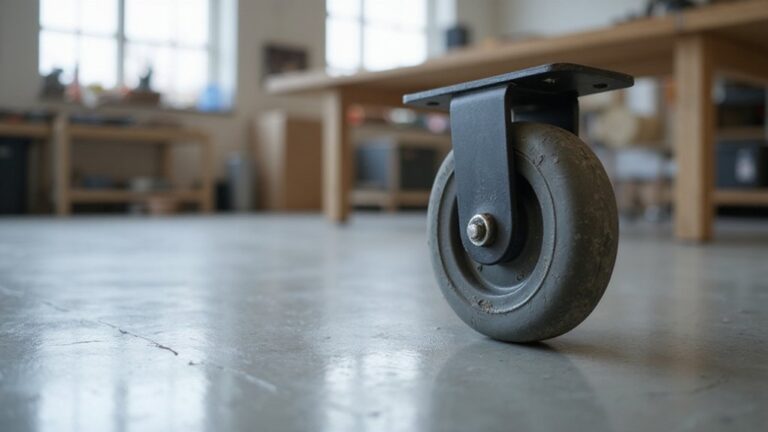
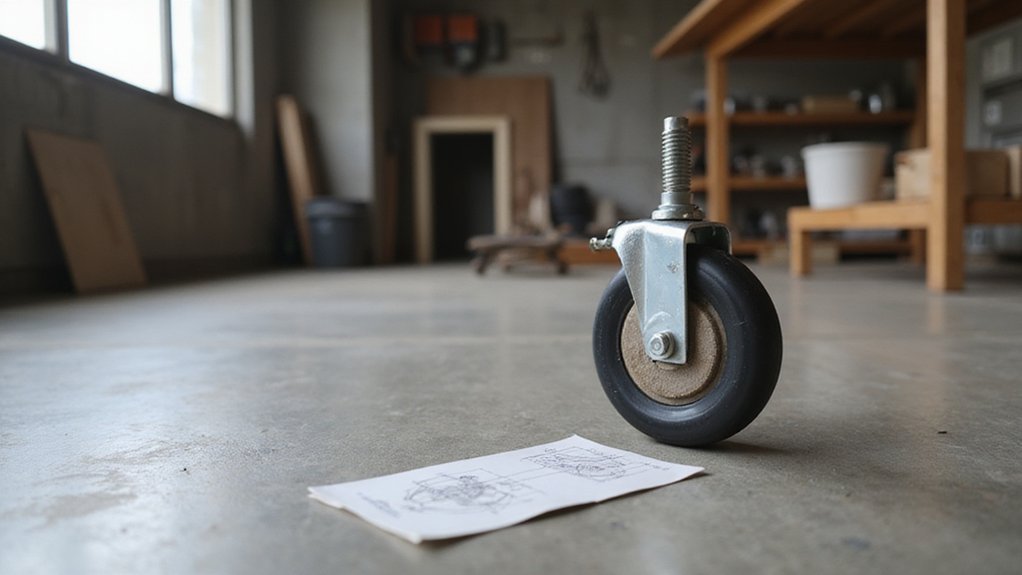
Choosing the right caster type depends on your equipment’s movement needs. Fixed casters are ideal for straight-line travel in long aisles because they provide predictable and stable control when you want to go straight ahead. Swivel casters offer 360-degree maneuverability, making them perfect for equipment that requires frequent changes in direction or tight turns. Locking casters are essential when your equipment must stay stationary during use, as they prevent unwanted movement and drift. For example, when transporting bulky items over uneven surfaces, collapsible folding wagons often use swivel casters for easy maneuverability. To ensure safe installation, always consult manufacturer guidelines for weight rating and bolt pattern to match your equipment’s load requirements. Understanding the function and common uses of each caster helps ensure you select the right component for your specific environment.
Many setups combine fixed and swivel casters to balance easy steering with agility. Regular maintenance is crucial for optimal performance. Worn bearings or debris can cause issues like sticking or uneven movement. Inspecting your casters regularly and lubricating pivot points can simplify troubleshooting and extend their lifespan. Whether you’re outfitting hospital beds, workstations, or industrial carts, matching the caster type to your specific application ensures safety, efficiency, and ease of use.
How to Match Wheel Material to Your Floor and Environment
Matching your wheel material to your floor and environment is essential to prevent damage and ensure smooth operation. For smooth concrete or polished floors, polyurethane wheels are ideal because they offer strong surface protection and reduce rolling resistance. Soft rubber or thermoplastic rubber (TPR) wheels work well on finished surfaces, as they minimize marks, but harder wheels can scratch or damage delicate flooring. On hardwood or vinyl floors, soft non-marking rubber or polyurethane wheels help prevent dents and scuffs, increasing material durability. For tile and epoxy coatings, polyurethane or TPR strike a balance between protection and noise reduction. In rough concrete or gravel settings, pneumatic wheels absorb impacts effectively, but high-durometer polyurethane wheels can also provide some floor protection while rolling smoothly. In moist or oily environments, nylon or polyolefin wheels resist moisture and chemicals better than rubber, which degrades quickly in such conditions. Always opt for non-marking compounds when appearance matters most, especially on finished or sensitive flooring. When selecting wheels for outdoor use on uneven terrain, consider compatible canopy accessories that can shield your cargo from sun and debris, just as pneumatic tires cushion the ride over bumps. When applying a final secure hold, remember that proper tension in a ratchet strap prevents load shifting without damaging the cargo. For boats, heavy-duty ratchet straps provide the secure hold needed to keep equipment safely in place during transport over rough roads.
Load Ratings Explained: Don’t Guess Your Caster’s Capacity
Load ratings must account for more than just static capacity. Static ratings, which are about 25–40% higher than the dynamic load capacity, do not reflect real-world movement. Moving loads generate additional stress from turns, bumps, and stops, so always choose casters with the rated dynamic capacity to ensure safety and durability. For reference, top wheelie tool carts typically require dynamic-rated casters to handle the uneven weight of tools and rolling over thresholds. Understanding the receiver hitch components can help you select the correct caster mounting for towing applications. For bicycles with front baskets, the basket’s weight distribution is critical to maintaining steering stability, much like load balance on a cart.
Floor type influences load rating requirements. Smooth floors allow for lower safety factors, generally between 1.25 and 1.5. Rough floors, thresholds, or towing conditions demand higher safety margins, with factors of 2.0 to 3.0 or more. When calculating, avoid simply dividing the total load by four for a four-caster cart; uneven ground and load distribution mean dividing by three provides a more accurate estimate. Always factor in uneven weight distribution and multiply your adjusted load by your safety margin. Use the maximum payload capacity rather than the average to prevent underrating your casters and risking failure.
Bearings and Mounts: What You Need to Know About Performance
Using sealed bearings is advisable to prevent dust and debris from contaminating the internal components, especially if you frequently ride in dusty or wet conditions. Match the bearing type to your travel frequency and speed: avoid over-specifying bearings with excessive load capacity for casual riding, but ensure they’re not undersized for demanding use. Properly chosen bearings and mounts will improve performance and extend the lifespan of your equipment. For routine upkeep, follow a simple cleaning process to remove dirt that can accelerate wear on the wheel and bearing surfaces.
Surface Compatibility: Protecting Floors While Moving Loads
Choosing the right wheel material for your surface prevents scuffs and protects floor durability. For premium tile, epoxy, or wood, opt for soft rubber, thermoplastic rubber (TPR), or polyurethane wheels. These non-marking materials distribute the load more evenly, reducing point pressure and minimizing surface damage. They also provide smooth movement suited for delicate finishes, ensuring your loads roll effortlessly without leaving marks. Polyurethane wheels often offer a better balance of load capacity and floor protection compared to standard rubber.
In contrast, harder nylon or polyurethane wheels work best on smooth concrete or industrial spaces where heavy loads are prioritized over floor delicacy. These wheels roll efficiently and resist wear, but they concentrate force on small areas, increasing the risk of dents or scratches on delicate flooring. Larger and wider wheels help distribute weight more evenly, easing the load and lessening impact on seams or fragile surfaces. Matching wheel material and size to your floor type ensures smooth movement and prevents scuffs before they start.
Caster Selection for Common Applications (Workshops, Warehouses, Medical)
Casters for workshops, warehouses, and medical environments are distinguished primarily by their load capacity, maneuverability, and floor sensitivity. In workshops, polyurethane wheels around 100 mm in diameter are common, often mounted on plates for stability. Swivel casters are ideal here because they allow tight turns, essential in confined spaces. Rigid casters, on the other hand, provide straight-line stability, supporting heavier loads and guiding equipment smoothly. For gardens or outdoor workshops, selecting carts with polyurethane wheels can protect paved surfaces from damage.
In warehouse settings, load capacity increases significantly—each caster might need to support between 280 and 420 kg. To handle such weights, you should opt for thicker steel plates and welded constructions to ensure durability. Polyurethane remains a popular choice, as it balances resilience with floor protection, but cast iron wheels are better suited for extreme impacts or very rugged environments. Rigid casters become more prominent in long-distance, straight-line transport lines where maneuverability is less critical. For transporting cargo racks with bike mounts, selecting a durable cargo rack ensures stability during heavy warehouse movement. Choosing a high-performance e-bike for cargo transport can further streamline operations in these demanding settings.
Medical casters require careful selection based on the real operating load, including patient weight. Divide this load across multiple casters with an appropriate safety margin to prevent accidents. In quiet patient areas, polyurethane or thermoplastic rubber (TPR) wheels provide smooth, silent movement. Brake systems are vital—total locks or centrally operated locks enhance safety by preventing unintended movement during patient transfers or procedures.
Across all applications, maintaining caster longevity involves regular checks for wheel wear and swivel performance. Staying consistent with scheduled maintenance ensures safe operation and extends the lifespan of your casters.