
What Is a Wheelbarrow? Parts, Uses & Types Explained
Ever wonder how to make hauling heavy loads easier? A wheelbarrow is a handy tool that helps you move heavy or bulky items with less effort, thanks to its simple design with a wheel and handles.
By choosing the right type and size, you can make your outdoor tasks or gardening much less tiring. Keep reading to learn how to pick the best one for your needs.
What Exactly Is a Wheelbarrow?
A wheelbarrow is a simple yet effective hand-propelled device designed to carry loads with minimal effort. It consists of a tray or container mounted on one or two wheels and handles for pushing or pulling. This design allows you to lift the load slightly off the ground and move it smoothly over short distances. The wheel reduces the amount of force needed compared to carrying loads directly, making it easier to transport heavy or bulky items. Its ergonomic benefit lies in shifting the weight onto the wheel rather than stressing your back or arms. For those needing to move large items, considering a truck bed extender can also be helpful for securing loads in a vehicle. The earliest known depiction of this tool dates to first-century China, where it was used for military and agricultural transport. Ideal for garden work, construction sites, or moving supplies around, a wheelbarrow is a practical tool that enhances efficiency and reduces physical strain during manual hauling. For heavier loads, some models are built to rival the capacity of top furniture dollies for easy moving.
What Are the Main Parts of a Wheelbarrow?
A wheelbarrow’s main parts include several key components that work together to ensure its efficiency. The tray is the primary load-bearing container, designed to hold soil, gravel, or tools. Polypropylene or steel trays resist rust and corrosion, making them durable for frequent use. The front edge of the tray is usually shaped to help cut down spillage and make emptying easier. Handles are ergonomically designed for comfortable gripping, with longer handles providing better leverage to ease pushing and maneuvering. Similar to how a tow hitch ski rack requires a secure bracket system to hold skis in place during transport, a wheelbarrow’s axle and brackets must firmly secure the wheel for safe and effective use on tough terrain. Choosing a wheelbarrow with heavy-duty steel frames enhances durability for demanding landscaping tasks. Before loading any heavy material, it is wise to perform a final safety check to ensure the axle bolts and brackets are tightened properly.
The wheel is a crucial element, with wider tires offering stability on soft or uneven ground, while smaller wheels allow for sharper turns and increased maneuverability. The axle and brackets hold the wheel firmly in place, ensuring smooth rolling. Resting on legs when idle, the legs also help prevent tipping during unloading. The frame ties everything together, using cross-braces to reinforce strength and prevent bending under heavy loads. Together, these parts form a reliable wheelbarrow capable of handling tough tasks efficiently.
Single-Wheel vs. Two-Wheel: Which Wheelbarrow Type Is Right for You?
A two-wheel wheelbarrow generally offers better stability than a single-wheel model. It distributes weight evenly across both wheels, making it ideal for transporting heavier loads like soil, gravel, or construction materials. This design reduces the risk of tipping over and minimizes strain on you during movement.
In contrast, a single-wheel wheelbarrow provides superior maneuverability, especially in tight spaces or on uneven terrain. It’s easier to pivot, turn sharply, and handle precise dumping. However, managing balance under heavy loads requires proper ergonomics and more strength from your handles. While it excels at lighter tasks like garden cleanup, it may become cumbersome with heavier materials or longer distances.
Ultimately, your choice depends on the load weight you typically carry, the space available in your work area, and the surface conditions you’ll face.
Steel, Plastic, or Polypropylene: Which Tray Material Should You Choose?
Steel trays are the most durable choice when handling rough, heavy loads. They resist damage from sharp gravel, rebar, and concrete, making them ideal for construction, demolition, and other rugged tasks. However, their weight can be significant, and if they get wet without proper drying, they are prone to rusting. This means you’ll need to factor in additional care to maintain their longevity. For safely securing oversized loads, a similar truck bed extender requires careful fitting and a final safety check.
Plastic and polypropylene trays are suited for lighter, more corrosion-prone loads. They do not rust, are easier to clean, and weigh substantially less, which is useful for gardening or hauling yard debris. Load capacity differs: steel handles heavier, sharper materials without issue, whereas polypropylene is better for lighter debris but can be damaged by very sharp objects. Polypropylene also offers better corrosion resistance than steel but remains susceptible to damage from sharp edges. Unlike these trays, attaching a Burley bike trailer requires a coupler and safety tether to the rear axle. Choose steel for heavy-duty abuse and tough conditions, and plastic or polypropylene for lighter, rust-free handling.
How to Match Wheelbarrow Size to Your Work Load
Start by matching the tray capacity to your material’s density. For concrete or wet soil, a 3 to 5 cubic foot model works best, and it’s wise to fill it only partially to prevent overloading. Keep in mind, volume alone won’t protect you from strain; a sturdy frame and ergonomic handling are crucial. For loose mulch or light, fluffy materials, an 8 cubic foot tray can significantly reduce total trips and improve efficiency. A standard yard of material typically requires around nine trips with a 3 cubic foot wheelbarrow, so plan your workload accordingly. For heavy, dense loads, choosing a model with pneumatic tires can improve stability and make rolling easier over rough terrain.
Your handling limits are more important than raw size. A larger tray increases the physical effort needed to lift and maneuver, so select the smallest size that fulfills your workload. Look for designs with ergonomic grips and balanced weight distribution to help you maintain control. Additionally, ensuring the tray material is durable enough to withstand heavy loads will extend its lifespan and keep you safe from cracks or breaks. The number of wheelbarrows you need per yard depends directly on matching tray volume to the material’s density.
Balance your trip frequency against operator comfort. Using a 3 cubic foot model means approximately nine trips per cubic yard of material, which can lessen the strain on your body per load. Always consider the weight ratings specified by the manufacturer, typically between 500 and 750 pounds, to avoid overloading and reduce the risk of failure or fatigue during heavy-duty tasks. For a more specialized hauling solution, you can apply similar load-matching principles to a DIY bike kayak trailer to efficiently transport long, heavy gear.
Where to Look for Weak Spots in Frames and Wheels
To identify weak spots in frames and wheels, start by inspecting these core components for signs of damage and wear. For frame integrity, examine weld seams at the head tube, tray supports, and where the legs intersect. Look closely for hairline cracks, bends, or rust, since corrosion can obscure cracks and weaken the structure. Check all tray-to-frame connections for looseness; any movement can promote further damage during use. Additionally, ensure bolts at folding points remain tight, as loose bolts compromise stability and safety. Secure loads with ratchet straps to prevent shifting that can stress frame joints during transport. Understanding that a wheelbarrow functions as a second-class lever explains why the load between the wheel and handles puts high stress on these frame joints.
For wheel durability, thoroughly inspect rims for cracks or distortion that indicate stress fractures. Examine tires for sidewall splits, bulges, or uneven tread wear, all signs of excessive strain or alignment issues. Rotate the wheel and observe whether it wobbles or exhibits flat spots, which suggest deformation or imbalance. Spin the wheel and listen for grinding sounds that point to worn bearings. Rock the wheel side to side; excessive play signals worn bearings or loose axles. Also, examine the hubs for excessive heat, leaking lubricant, or metal fragments, all signs of potential failure. If you transport heavy appliances up stairs, consider a model with extra stair-glide padding for better shock absorption and frame protection. After heavy loads or impacts, reanalyze these weak points, as fatigue can develop gradually and compromise safety.
How Leverage and the Wheel-and-Axle Reduce Physical Strain
The wheel and axle significantly reduce physical strain when moving loads. Instead of dragging, you let the wheel roll, which cuts down on the friction you have to overcome. A larger wheel radius compared to the axle helps multiply your effort, making it easier to keep things in motion. These simple machines work together to lessen the physical toll, allowing you to shift much heavier loads than you could lift on your own. For example, beach carts with wheels use large tires to glide over soft sand with minimal effort. For consistent performance, selecting top ratchet straps ensures reliable load security. For safe handling of loads, ratchet strap tension must be checked regularly to prevent shifting during transport.
Common Wheelbarrow Uses in Gardens and Construction
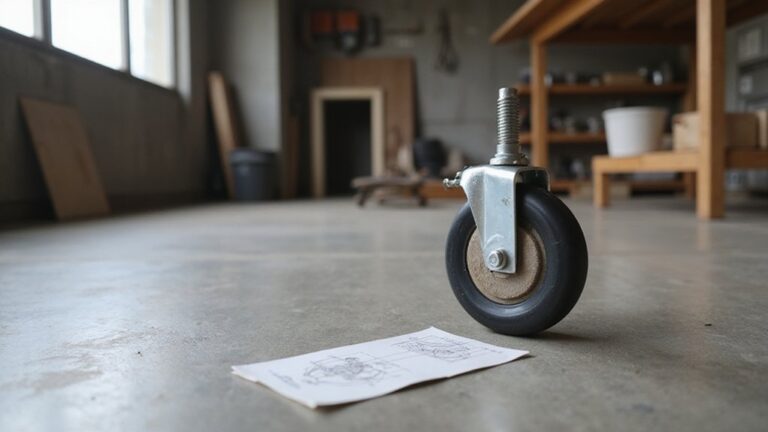
A wheelbarrow is a versatile tool that handles a wide range of tasks in both garden and construction settings. In your garden, it’s ideal for moving soil, compost, mulch, and plants with ease. You can use it to quickly transfer garden debris like leaves and trimmings or position materials for edging projects. Its compact tray makes it simple to blend compost into planting beds or to transport small trees and containers around your yard. On construction sites, it transports bricks, gravel, sand, and debris over short distances. You can also use it for mixing concrete directly in the tray or hauling away demolition waste. Its ability to carry heavy, bulky loads makes it indispensable for routine chores and bigger projects alike. When choosing one, reviews that compare quality, performance, and value can help you select the best model for these tasks. To ensure the wheelbarrow handles demanding jobs without tipping, pay attention to its rated load capacity and frame stability, which are key factors in roof carrier reviews that evaluate durability under stress. If your wheelbarrow needs new wheels, following a proper installation process for caster wheels ensures the unit remains balanced and safe for heavy loads.
How to Choose a Wheelbarrow for Tight Storage Spaces
Folding or collapsible wheelbarrows are best for tight storage spaces because they can be reduced to a flat, compact size. Measure your storage area’s narrowest points—such as in garages, sheds, or closets—and compare these measurements to the wheelbarrow’s folded dimensions, not just the tub size. Standard models tend to be longer than 54 inches, which can block narrow passages, while foldable designs often collapse to as little as 13 inches wide, making storage much easier. However, a non-folding option like the Wallemac WD25W still offers a narrow design enabling access through tight spaces despite its 37-inch length.
Opt for models with a capacity of 4 to 5.4 cubic feet and a weight under 150 pounds to minimize bulk. Features like telescopic handles or single-wheel configurations require less side clearance and are easier to maneuver and store. Lighter models, around 13 pounds, are simpler to hang or stow away on hooks or corners.
Choose fold-flat wheelbarrows that come with straps or loops to secure them when stored vertically. Use wall hooks or corner brackets to maximize space, and always compare the fully folded dimensions before purchasing. Prioritizing compact construction and clear folded measurements can dramatically improve your storage options without sacrificing functionality.
Which Wheelbarrow Type Best Matches Your Work and Storage?
Choosing the right wheelbarrow depends on your storage space and the nature of your work. For limited storage, folding models are ideal because they collapse neatly, saving space when not in use. If you have ample room, traditional open trays provide durability and capacity, suitable for heavy or bulky materials.
Matching your wheelbarrow to the work you’ll do is crucial. For heavy construction tasks like moving cement or bricks, a steel tray model is best because it withstands cracking under weight. For gardening, a poly tray resists rust and makes transporting soil or mulch easier. When hauling loose materials such as gravel, a rounded tray helps with pouring and control.
Consider stability and maneuverability. Two-wheel barrows distribute weight more evenly, making heavier loads safer to transport. Single-wheel models are more agile, enabling quick turns in tight spaces. Ergonomic handles improve comfort and reduce strain during repetitive tasks.
Don’t forget about tires. Regularly check inflation to ensure smooth rolling on uneven ground. For tight storage spaces, folding wheelbarrows can be collapsed when not in use, making them a smart choice for small storage areas. Matching your wheelbarrow to your specific needs ensures you work efficiently and store your tools conveniently.