
What Is a Push Cart? Common Types & Everyday Uses
Looking for an easy way to move heavy or bulky loads without straining your back? A push cart is your go-to solution, helping you transport everything from groceries to tools with less effort.
They come in many types—plastic, metal, wire, or multi-tier—designed for different tasks around the home, warehouse, or garden.
Keep reading to find out how to choose the best one for your needs.
What Is a Push Cart and How Does It Work?
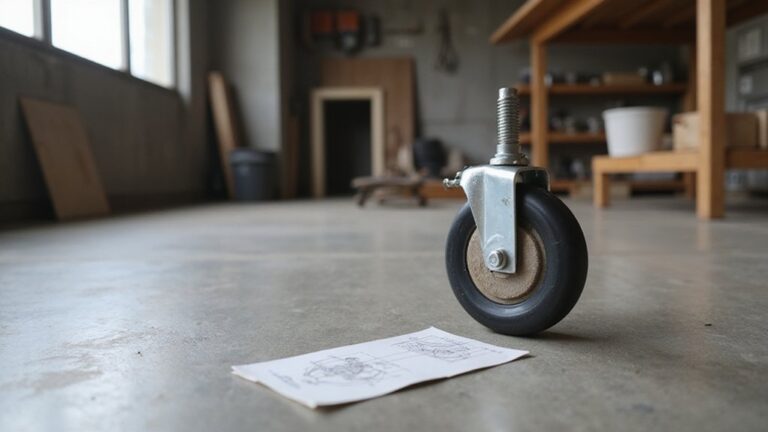
A push cart moves loads by allowing you to apply force to a handle, which then transfers the effort through the wheels to the ground. This reduces the physical strain on you when transporting heavy or bulky items. The wheels support most of the load’s weight, making it easier to roll rather than carry. Historically, push carts originated from simple wooden handcarts, but modern designs use lightweight materials like steel or aluminum for the frame. The wheels are typically made of rubber, plastic, or polyurethane for durability and smooth movement, and they operate using rotating caster wheels that swivel for improved maneuverability. You steer the cart by guiding the handle, while parking is secured using a locking brake. This setup enables you to transport loads with minimal effort, especially useful on slopes or uneven surfaces, by walking behind or beside the cart and applying manageable push force. When comparing capacities, a typical yard of material might require multiple wheelbarrow trips to move. For larger or more frequent loads, some users find it helpful to consider top bed extenders for additional cargo support.
5 Common Push Cart Types You See Every Day
You’ll encounter several common push cart types daily, each tailored for specific tasks and environments. Plastic utility carts are lightweight and easy to clean, making them ideal for food handling or janitorial work. Their lipped shelves help prevent spills, ensuring safety during transport. Metal and steel carts are designed to handle heavier loads in industrial settings. They offer durability through powder-coated or stainless steel construction, resisting corrosion and wear over time. Wire utility carts prioritize airflow and visibility, making them perfect for produce or cleaning supplies where ventilation is important. Service and food carts feature smooth surfaces for maintaining hygiene and quieter wheels to reduce noise in customer-facing roles. Multi-tier shelf carts organize files, parts, or materials across two to five shelves, providing efficient mobile storage. These carts serve as essential tools for moving items quickly and effortlessly, reducing strain and increasing productivity. Unlike these modular push cart types, securing loads might require ratchet straps for heavier, uneven cargo where cam straps cannot provide sufficient tension. Choosing the right tie-down method, such as top-rated ratchet straps, ensures your heaviest loads remain stable during transport. For bicycles pulling heavily loaded carts, a similar bicycle trailer attachment process ensures the connection remains secure and balanced.
How Push Carts Are Used in Retail, Warehouses, and Factories
Push carts are essential tools for moving items efficiently across different environments. In retail, a push trolley is commonly used for stock replenishment, transporting back-stock from storage areas to sales floors. Multi-shelf carriers facilitate batch picking by allowing you to carry multiple SKUs at once, which increases productivity. Their compact size and quiet operation help you navigate narrow aisles smoothly without causing disruptions. For heavier loads, customers may also consider furniture dollies for secure and stable transport of bulky items. Additionally, using furniture sliders can help protect carpeted floors when repositioning displays or fixtures. Following a final safety check after assembly ensures the cart remains stable during use.
In warehouses and factories, carts support order picking and staging processes. Designed with ergonomics in mind, they reduce fatigue during repetitive transport tasks. Open-front configurations enable quick and easy access to items, speeding up workflows. Industrial carts are used to move raw materials between workstations, maintaining continuity in production. Regular cart maintenance, such as inspecting wheels and loads before use, helps prevent tipping and ensures safety. Choosing a cart that matches the workload enhances handling efficiency and safety in all these environments.
Home and Recreational Push Carts: Golf, Laundry, and Garden
Using a purpose-built push cart enhances your experience by reducing effort and increasing stability. For golf, opt for models with three or four wheels, designed specifically for smooth and sloped terrain. These carts often feature ergonomic handles adjustable to your height, plus amenities like cup holders and umbrella mounts. Larger 10-inch wheels equipped with quality bearings help the cart roll effortlessly over bumps, while built-in brakes keep it secure on slopes, similar to how load-shifting prevention techniques secure cargo on uneven ground. When choosing a golf cart, look for a durable frame that folds compactly for trunk storage, just as the best collapsible folding wagons prioritize portability without sacrificing stability. Some golf push carts also include a receiver hitch adapter for towing small accessories behind a vehicle.
In laundry, lightweight wire-frame carts facilitate airflow through clothes and make transporting laundry from the bedroom to the laundry room easier. Their compact, folding design allows for quick storage in tight spaces when not in use. Garden carts, typically heavy-duty with dump-bed functions, can haul up to 1,200 pounds of mulch, soil, or debris. All-terrain tires enable these carts to handle rough ground, and removable sides offer versatility for loose or bulky loads. Across all tasks, purpose-built carts help you avoid repeated carrying and strain, making chores more manageable.
Why Push Carts Reduce Physical Strain and Speed Up Work
Pushing a cart reduces physical strain by distributing the load through your legs rather than your arms and back. This ergonomic approach lessens muscle effort when starting, maintaining, and steering the cart. By shifting into a lunge stance with bent knees, you engage your stronger leg muscles, making movement easier. Keeping your elbows close to your body and holding the handle between your hip and elbow maintains a neutral posture, reducing shoulder and back load. You also avoid carrying bulky or awkward items, which helps prevent overexertion. For those needing to transport gear over longer distances, similar principles apply to folding bikes with trailers for easy riding. Selecting a hand truck for moving offers similar ergonomic benefits for heavy loads. Secure fastening methods like cam buckle straps ensure loads stay stable during transit, further reducing the need for sudden corrective movements.
Fewer trips and smoother movements speed up your work. Low rolling resistance allows you to keep your momentum with less effort, reducing stop-and-start motions. This efficiency means you can complete more order-picking trips during your shift without fighting high push forces. Regularly cleaning floors and maintaining wheels keep resistance low, ensuring continuous productivity. Handling the cart at your natural walking pace helps sustain this pace without leading to fatigue.
How to Choose a Push Cart: Load Weight, Terrain, and Wheel Count
To support your heaviest anticipated loads with a push cart, you’ll want a capacity that exceeds the maximum weight you expect to carry, plus a safety margin of about 40 percent. For example, if you plan to carry up to 200 pounds, choose a cart rated for at least 280 pounds. This buffer accounts for dynamic forces such as bumps, shifting cargo, and uneven terrain that can put extra strain on the wheels and frame.
For light yard work under 200 pounds, carts with 8 to 10 inch solid or pneumatic wheels are sufficient. They offer maneuverability and ease of use on flat surfaces. Hauling over 400 pounds requires larger, more durable wheels—specifically 12-inch all-terrain tires with sealed bearings and a robust axle. These features ensure better stability, durability, and ability to handle rough terrain without risk of wheel failure.
Terrain influences your wheel choice significantly. Solid urethane wheels work well on indoor floors or smooth pavement because they resist flats and require minimal maintenance. Pneumatic tires, filled with air, provide better shock absorption and grip on grass, gravel, or dirt. Larger wheels, ranging from 10 to 16 inches, excel at rolling over roots and rocks, reducing the effort needed to move heavy loads over uneven surfaces. For soft ground like sand or loose soil, wider wheels help prevent sinking by distributing weight more evenly.
Wheel count impacts stability and steering. Four-wheel carts deliver the best stability for heavy loads on flat terrain, minimizing tipping risks. Three-wheel designs strike a balance, offering reasonable stability combined with easier steering on mixed terrain. Two-wheel carts are highly maneuverable, especially in tight spaces, but they lean more heavily on your balance and can tilt easily. When choosing, prioritize high-quality materials and ergonomic handles to ensure your cart remains durable and comfortable to operate over time.