What Are Caster Wheels? Everything You Need to Know
Ever wonder what makes moving heavy furniture or equipment easier? Caster wheels might be the answer. These small but mighty wheels attach to items, allowing you to roll them smoothly across floors.
Choosing the right type, size, and material can make a big difference in your ease of movement. Keep reading to learn everything you need to know about caster wheels.
What Exactly Are Caster Wheels and How Do They Work?
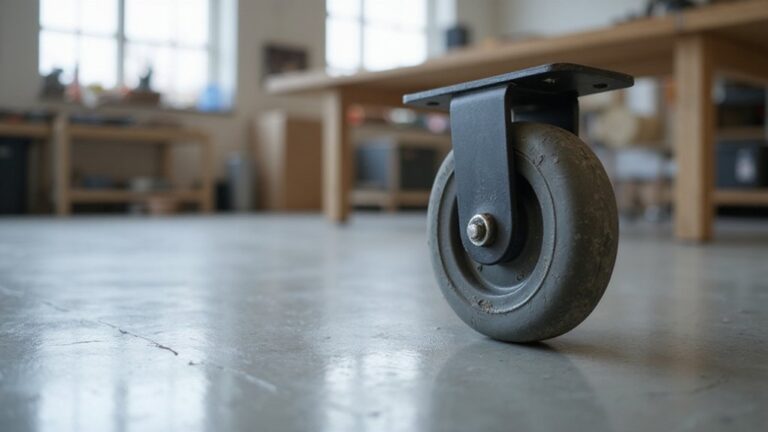
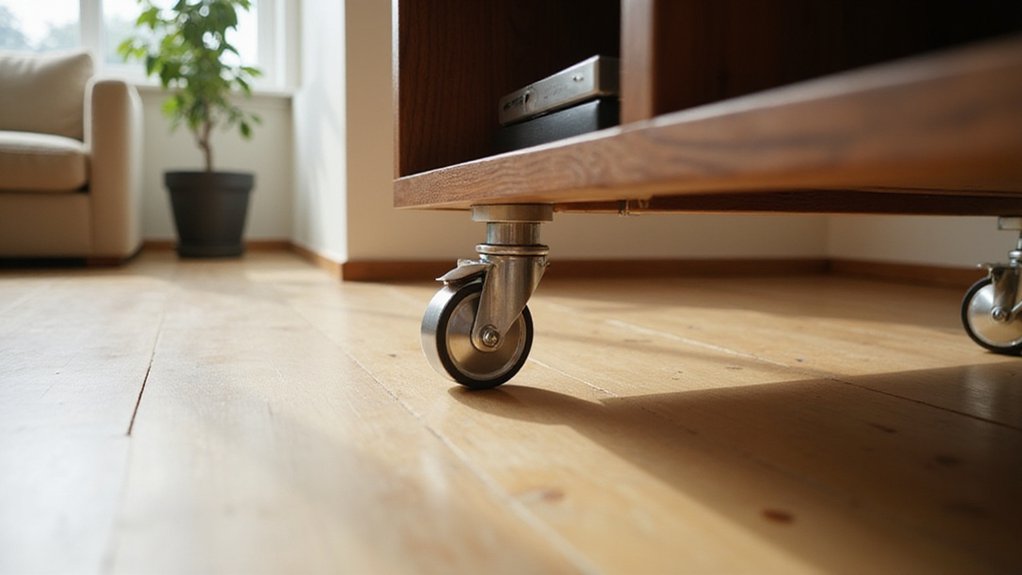
A caster wheel is an assembly designed for mobility, consisting of a wheel mounted on a supporting structure that allows smooth movement of objects. The wheel itself rotates around an axle supported by bearings, which reduce friction and enable easy rolling. The supporting part, often called a fork or yoke, holds the wheel securely in place. A mounting plate or stem connects the entire caster to your furniture, cart, or equipment. This design is similar to what you would find on collapsible folding wagons for easy transportation. The choice of wheel material and bearing type directly impacts load capacity and floor protection, as covered in a complete comparison guide on caster types.
Many caster wheels feature a swivel mechanism, which allows the wheel to pivot freely. This enables the caster to align with your direction of push, making maneuvering easier and requiring less force. Swivel casters are especially useful for navigating tight spaces or changing directions frequently. For heavy items like large appliances, selecting a caster with a higher load capacity ensures stable and safe movement without risking damage to the floor or equipment.
Proper maintenance is key to keeping caster wheels performing at their best. Regularly lubricate the bearings and remove debris to prevent sticking or uneven rolling. Well-maintained casters reduce effort, protect your surfaces, and extend the lifespan of your equipment.
Swivel vs. Rigid Casters: Which One Is Right for Your Application?
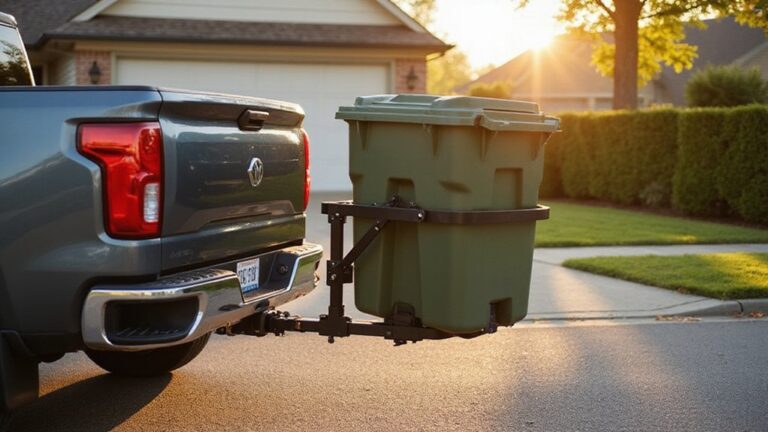
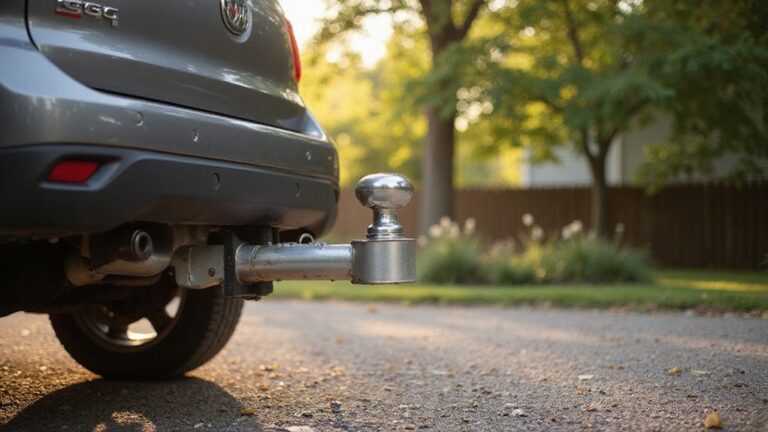
Swivel casters are the best choice when you need maximum maneuverability, as they rotate 360 degrees. This allows you to turn sharp corners and navigate tight spaces easily, making them ideal for equipment that requires frequent directional changes. Rigid casters, on the other hand, roll only in a straight line, providing stable tracking and greater stability over long distances or straight paths. If you need to transport gear with your vehicle, consider a hitch-mounted aluminum cargo carrier for its lightweight and durable construction. For those hauling a motorcycle, a motorcycle trailer offers a secure and stable platform for long-distance travel. When selecting a hitch for such tasks, the weight capacity and price difference between Class 3 and Class 4 receivers can heavily influence your decision based on your hauling needs.
Many setups combine two swivel and two rigid casters to balance turning flexibility with straight-line stability. When choosing, consider your environment: crowded or confined spaces benefit from swivel casters that reduce effort and ease movement. For transporting heavy loads over long, straight routes, rigid casters are preferable because they handle straight-line movement better and are easier to maintain due to fewer moving parts.
Swivel casters require regular checks because their pivot points can wear out over time. If your application demands full sideways movement or tight maneuvering in limited space, four swivel casters are suitable—though they may sacrifice some straight-line control and require more maintenance. Your choice depends on whether ease of turning or straight-line stability is your priority.
What Are Plate, Stem, and Locking Casters?
Plate, stem, and locking casters differ primarily in how they attach to equipment and their locking features. Plate casters feature a flat metal plate, which is bolted directly to your equipment’s base. This broad attachment distributes weight evenly and provides stability, making them suitable for heavy-duty carts, industrial machinery, and workstations. Stem casters, on the other hand, use a cylindrical stem that fits into a socket or socket-like hole in your furniture or equipment. Their compact design is ideal for lighter applications such as office chairs, medical carts, or furniture with limited mounting space. For buyers selecting heavy-duty options, shopping wagons with wheels often rely on plate casters for balanced weight distribution. Upgrading your own DIY tool cart with plate casters can simplify the build process while ensuring the base handles added loads without flexing.
Locking options vary for both types. Wheel brakes prevent the wheel from spinning but usually do not stop the caster from swiveling. Total-lock casters, however, lock both the wheel and the swivel mechanism, offering maximum stability. Such locks are crucial on inclined surfaces or when precision is necessary. Regular maintenance ensures smooth operation of these mechanisms, while total-lock casters can reduce strain and improve safety by preventing unintended movement. For added security in mobile setups, such as when using a bicycle trailer, a attachment plate ensures a stable and secure connection to the towing vehicle.
Rubber, Polyurethane, or Nylon: Choosing the Best Caster Wheel Material
Rubber, polyurethane, and nylon each offer distinct advantages and considerations depending on your application. Rubber provides the softest ride, operates quietly, and protects floors effectively. However, it supports the lightest loads and tends to wear faster over time. Polyurethane balances these traits well: it can carry more weight than rubber, offers better floor protection, and produces less noise than nylon. Nylon delivers the highest load capacity and lowest rolling resistance, making it ideal for heavy-duty carts on concrete floors, but it can scratch surfaces and generate more noise.
Maintenance needs vary: rubber and polyurethane resist marking and easier to clean, while nylon requires more careful handling on delicate floors. Choosing the right material depends on your environment—hospital, warehouse, or office. For industrial spaces with oils or chemicals, nylon usually performs best. Polyurethane suits mixed-use environments, and rubber is best for noise-sensitive areas like hallways or offices that need quiet operation.
How Wheel Diameter Affects Rolling Ease and Obstacle Clearance
Wheel diameter greatly influences how smoothly your cart rolls and how easily it clears obstacles. Larger wheels make rolling resistance significantly lower because they approach uneven surfaces at a shallower angle, leading to easier movement on most floors. They also handle bumps and thresholds more smoothly, reducing the effort needed to push or pull. For moving heavy loads, selecting the best hand truck with large wheels ensures you can navigate door thresholds and uneven sidewalks without struggling. A reliable strap system for securing your load further enhances stability when using larger wheels on uneven terrain. When choosing a truck accessory, a bed extender with larger wheels can similarly improve clearance and ease of movement when loading or unloading cargo over uneven surfaces.
In contrast, smaller wheels climb over irregularities at steeper angles, increasing resistance and making it more likely to get stuck on thresholds, pebble-sized debris, or uneven surfaces. For practical use, choose a wheel diameter roughly three times the height of your largest floor obstacle. This sizing ensures reliable clearance without requiring extra force, making it easier to maneuver over common obstacles like grout lines or small steps. When ease of movement is a priority, opting for larger wheels is the easiest upgrade you can make.
How Much Weight Can Caster Wheels Really Handle?
The load capacity rating of a caster wheel is a guideline, not an absolute limit. It assumes a flat, hard surface and a centered, stationary load. To ensure safety, don’t simply divide your total weight by four; incorporate a safety factor. On uneven floors or in real-world conditions, consider only three casters supporting the load. For lighter duties and more stable surfaces, a safety margin of at least 1.3 times the load is recommended. For rougher terrains with bumps and shifts, use a safety factor up to 4 times. If your application involves dynamic loads or constant movement, select casters with even higher capacity margins. Always size your casters based on the harshest condition they will face, not average use. Regular maintenance is crucial—never exceed the factored load capacity. Check for wheel damage and bearing strain frequently to keep your equipment stable and safe. For securing loads during movement, consider using cam buckle straps to provide additional stability and prevent shifting on the caster platforms. Different wheel designs, like a heavy-duty wheelbarrow wheel, are built to handle similar dynamic stresses and uneven terrain with their own weight ratings and safety margins. For selecting the best gear to keep your kayak secure in transit, reviewing the top cam strap options can help ensure your load stays safely in place.
Where You’ll Find Caster Wheels: From Office Chairs to Factory Carts
Caster wheels are found in nearly every environment where mobility is needed, from office spaces to industrial facilities. They allow you to move furniture, carts, and equipment smoothly across different flooring types. In offices, caster wheels on desks, chairs, and filing cabinets make rearranging layouts quick and easy. Retail stores rely on them for shopping carts and display units to shift product setups efficiently. Hospitals depend on casters to maneuver beds and medical carts through tight corridors with control, ensuring patient safety. In warehouses and factories, heavy-duty casters attached to platform trucks and pallet jacks enable the transport of large, heavy loads reliably. For heavier yard tasks, models like the best two-wheel wheelbarrows use similar caster designs to provide greater load stability and easier maneuvering over uneven ground. Their evolution from simple furniture rollers to tough industrial parts reflects their vital role in enhancing movement and efficiency across various settings. Even in homes and restaurants, caster wheels on serving carts and utility items make daily tasks less cumbersome. For outdoor use, some models are now designed to support electric tricycles for adults, offering stable mobility across pavement and lawns.
Matching Caster Wheels to Your Floor Type
Matching caster wheels to your floor type is crucial for safe and efficient movement. For finished hardwood or tile, opt for non-marking polyurethane or soft rubber wheels to avoid scuffs and scratches. Hard nylon or steel wheels can gouge or leave marks on these delicate surfaces. On smooth concrete floors, polyurethane offers a good balance between protection and performance, reducing noise and wear. Similarly, when choosing wheels for a vehicle, you might look for the best kayak carrier options for your truck bed.
In carpeted areas, hard wheels like nylon cleanly roll over fibers and debris, making movement easier. Soft rubber wheels tend to sink into the fibers, causing sluggish movement and increased effort. Outdoor rough surfaces, such as uneven or gravel areas, require larger, softer pneumatic wheels to absorb shocks and prevent jarring. Choosing a wheel with high performance ratchet straps can also help secure heavy loads during transport.
Always consider safety features like anti-slip treads. Softer treads provide better grip on slick or shiny floors, reducing the risk of slipping. Conversely, harder wheels may slide on smooth surfaces, creating potential hazards. The type of floor you have should guide your choice of caster wheel material, ensuring safe and smooth mobility. For heavy lifting tasks, using proper lifting straps can significantly reduce strain and improve control.
5 Tips for Choosing the Right Caster Wheel for Your Cart or Chair
To choose the right caster wheels for your cart or chair, start by calculating the true load each caster will bear. Add your cart’s weight to its maximum payload, then divide that total by the number of casters minus one. Including a safety buffer of 25 to 33 percent is crucial to account for uneven loads and sudden shocks during movement, helping you select a wheel with sufficient capacity.
Next, match the wheel material to your specific needs. Polyurethane wheels are ideal for heavy loads as they offer low rolling resistance, making movement easier. Rubber wheels excel at absorbing shock, resulting in quieter operation, while nylon or polypropylene wheels provide excellent chemical resistance. Choose the appropriate size—larger wheels tend to roll more smoothly over thresholds and debris—and consider ergonomics: bigger wheels reduce the effort needed to push or pull, lowering user fatigue and strain.
Your mobility setup is also key. Swivel casters allow for tight turns and easy maneuverability, whereas rigid casters support straight-line movement. Combining both types can give you the best of both worlds, depending on your task. Finally, verify that your mounting style—plate or stem—fits your cart or chair’s frame precisely. Regular maintenance, such as checking fasteners and bearings, will ensure your caster wheels remain safe and long-lasting.
Don’t Make These 5 Caster Wheel Mistakes That Waste Your Money
Choosing the correct load capacity is crucial; you should divide your total weight by three, not four, to determine what your caster wheels need for real floors. Rounding down to a third ensures the wheels can handle the load safely and prevents premature wear or failure. Overestimating capacity risks damaging both the wheels and the flooring, leading to costly replacements. Always account for dynamic loads, such as moving or shifting weights, which can increase the stress on your wheels beyond static measurements. If in doubt, opt for wheels with a slightly higher capacity than your calculations suggest to build in a safety margin.