How to Use a Piano Dolly: Move a Piano Without Damage
Moving a piano without damaging it can seem daunting, especially if you’re unsure how to handle the heavy weight and delicate parts.
The key is using the right equipment and planning your route carefully.
By the end of this guide, you’ll know how to properly position a specialized piano dolly, secure the instrument, and navigate tight spaces smoothly.
Let’s walk through the essential steps to make your move safe and stress-free.
Measure Hallways, Doors, and Stairs Before You Move
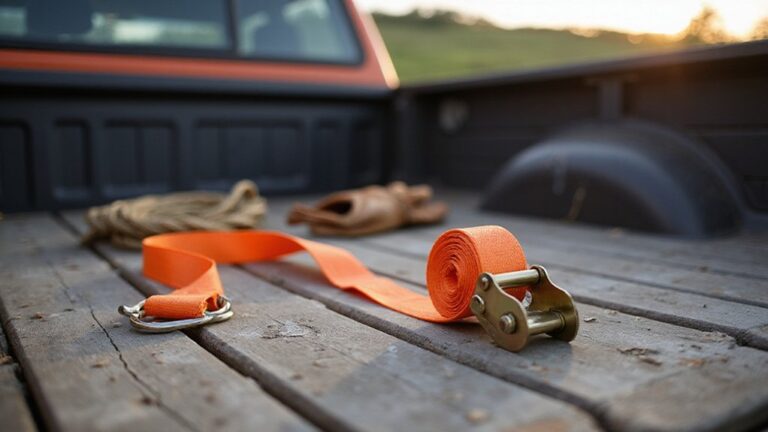
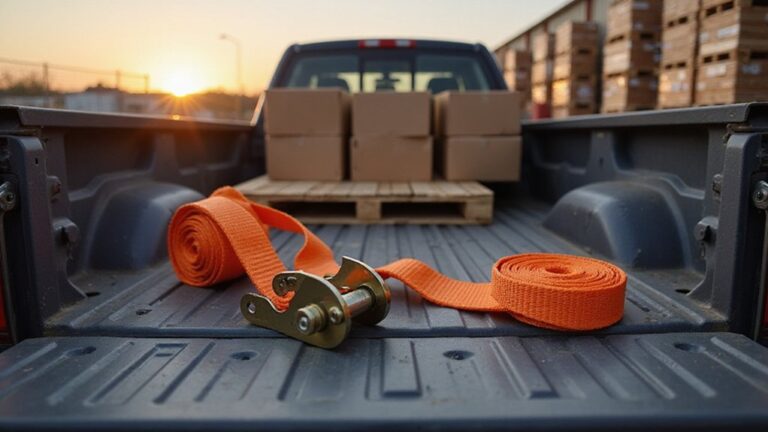
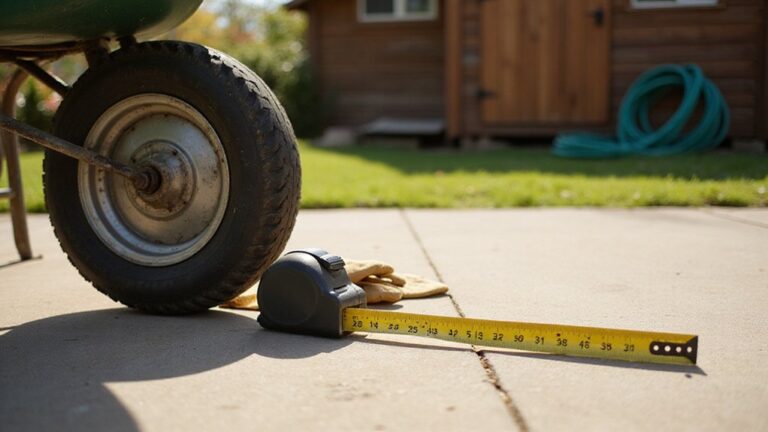
Measuring the hallways, doorways, and stairs before you move is essential to ensure your piano can pass through without issues. Start by recording the size of the piano—measure its height, width, and depth with a tape measure. Next, compare these dimensions to the narrowest points along the route, including doorways, hallways, and staircases. For doorways, measure from frame to frame when the door is fully open, not just the door slab, and account for any molding, trim, or protruding fixtures. In hallways, focus on the tightest spots and sharp turns by measuring corner-to-corner diagonally where hallways bend or narrow. When it comes to stairs, verify the width between the walls, the space available on the landing, and the overhead clearance. Don’t forget to check for any protruding objects like radiators or banisters that could obstruct movement. Always add a few extra inches for padding, protective equipment, and ease of maneuvering. If any measurement seems close to the size of your piano plus moving equipment, take extra time to reassess or consider alternative routes, as these tight spots could lead to difficult or risky moves. For heavier moves, consider how adult tricycle quality might inform the stability of your dolly, but also ensure your dolly’s hitch connection is secure with a receiver hitch lock to prevent any detachment during transport. Using high-performance ratchet straps can secure the piano to the dolly, preventing shifting and damage during the move.
How Many Movers You Need for Your Piano Type
The number of movers you need depends on your piano’s type and weight, typically ranging from one to six people for a safe move. For small digital pianos weighing between 60 and 300 pounds, one or two movers are sufficient, though having two ensures better balance and stability. Spinet and console pianos, which weigh between 200 and 500 pounds, require at least two movers, with three recommended for awkward grips or tight spaces. For added stability during these moves, using a garden wheelbarrow can help transport tools and padding. For lighter tasks, a heavy-duty yard cart rated for several hundred pounds can serve as a more stable alternative for carrying moving supplies.
Studio uprights, weighing from 300 to 800 pounds, need a minimum of three movers. Larger upright pianos often demand four movers due to their top-heaviness and size. Baby grand pianos, generally weighing between 300 and 500 pounds, should be moved with three to four movers; four is the safer default. Concert grand pianos, which can exceed 1,200 pounds, require four to six movers to ensure safety and prevent damage.
Your experience with piano moving also plays a vital role. Less experienced crews increase the risk of tipping or mishandling. Always match your team size to the piano’s weight and the complexity of the route. Trying to save on help by using too few movers can lead to costly damage or injury. Using a furniture dolly can help balance the weight and reduce strain on smaller crews.
Why a Piano Dolly Beats a Furniture Dolly Every Time
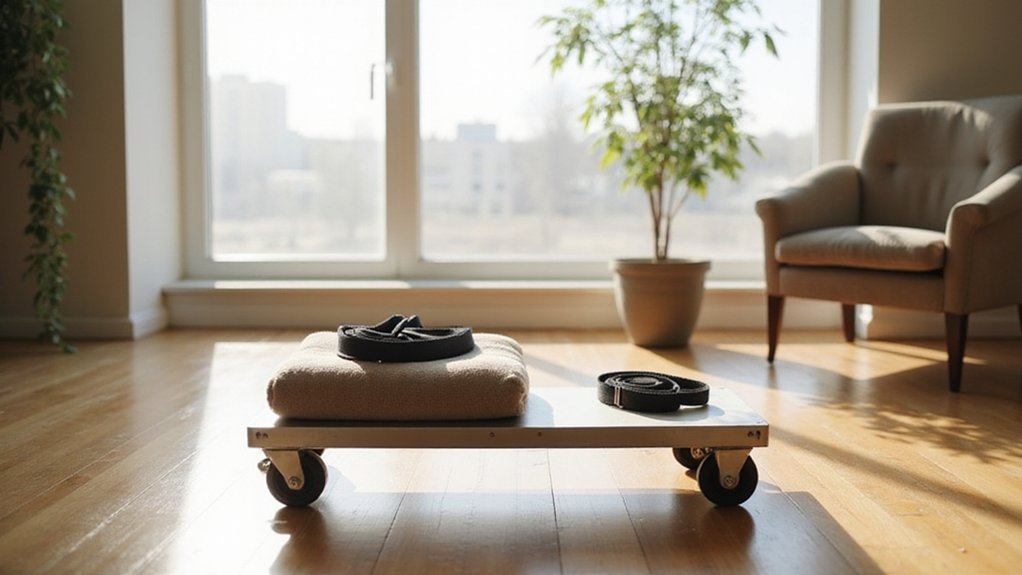
A purpose-built piano dolly is far superior to a furniture dolly when moving a piano. Furniture dollies have lighter-duty frames that can flex under the concentrated weight of the instrument, making them unstable and increasing the risk of damage or tipping. In contrast, piano dollies feature reinforced steel frames and higher load ratings—typically between 550 kg and 1,800 pounds—ensuring they do not flex even under heavy loads. Their larger, soft-rubber wheels roll smoothly over thresholds, carpets, and uneven surfaces, unlike small furniture casters that jolt and jar your piano. This specialized equipment keeps the instrument lower to the ground, balancing weight distribution more effectively and greatly reducing the chance of tipping. Additionally, piano dollies use non-marking wheels and better shock absorption, helping avoid floor scuffs and finish damage. Choosing a model with top garden cart wheels ensures the same smooth-rolling performance across outdoor paths and driveway cracks when moving between buildings. For those who also need to move other heavy items without scratching floors, furniture sliders offer an excellent protective solution for repositioning furniture short distances. For transporting the instrument to a waiting vehicle, consider a collapsible folding wagon for handling smaller accessories or tool kits, but for protecting your instrument, choosing a dolly designed specifically for pianos is always the smarter, safer option.
Prep the Piano: Lock, Pad, and Secure Loose Parts
Once you have a dolly capable of supporting the instrument without flexing, the next step is to secure the piano itself. Start by locking the keyboard cover and engaging any available lock. If the piano lacks a lock, hold the lid shut using a non-damaging restraint such as a strap or cord. Cover the exterior thoroughly with clean moving blankets, ensuring that the top, sides, and corners are protected to prevent scratches. Keep the keyboard and fallboard closed, then add soft padding over them to avoid damage during movement. Selecting the right dolly also involves checking the wheel material for smooth rolling and floor protection. For those who also move equipment for other tasks, a garden cart with seat model offers excellent stability and cushion during transport.
Secure all loose parts, including music racks, lyres, and pedals, whenever possible. Wrap each component separately and store screws in clearly labeled bags to avoid losing small pieces. Avoid moving with unsecured accessories like sheet music, as they can cause shifting or damage. Throughout this process, double-check that the padding is away from hinges and pedals, and verify that all closures are secure before placing the piano on the dolly. These precautions help maintain tuning stability and sound quality while preventing structural shifts. Just like a final safety check for a truck bed extender ensures the load is stable before driving, you should perform a mock lift to confirm the piano is balanced and all restraints are tight before beginning the move.
Position the Dolly Under an Upright Piano Step by Step
To position a dolly under an upright piano, start by selecting the appropriate dolly—preferably a four-wheel piano dolly or a sturdy floor dolly with a padded surface designed specifically for upright pianos. Identify the piano’s center of gravity, which is usually near the skid plate at the base. Slightly lift one end of the piano while maintaining a steady tilt, then carefully slide the dolly underneath, avoiding delicate parts like legs or decorative trim. Once the support surface of the dolly is aligned with the piano’s center, push it gently until it sits securely underneath. For better control, consider using rear rack tips to balance additional tools or padding during the process.
Ensure the dolly is positioned so that the weight is distributed evenly over the strongest structural area of the instrument, avoiding areas such as trim or legs that could be damaged or cause instability. If necessary, lift and slide from the other end of the piano to achieve proper placement. For reference, a standard wheelbarrow holds about 3 cubic feet, which is useful when estimating how much material you might need for padding or support. Before sliding, remember to perform a preparation check of the dolly’s wheels and brakes to confirm they are functioning as expected. Lower the piano carefully onto the dolly, confirming that it is centered and stable without leaning to one side. Check that the front of the dolly does not protrude excessively beyond the piano’s base. If the setup feels unbalanced or unstable, reposition the dolly immediately. Proper placement guarantees safe movement by preventing tipping or uneven weight distribution during transportation. Undo the red brakes on the wheels before any maneuvering to ensure the dolly can roll freely under the piano.
Strip and Saddle a Grand Piano for Dolly Transport
To safely strip and saddle a grand piano for transport, follow these steps carefully. First, remove all detachable hardware such as the lid, music rack, lyre, and any other external components. This prevents damage like cracking, scratching, or vibrations during transit. Next, remove the hinge pins and store them in a labeled bag to keep track of their location and prevent loss.
Disassemble the pedal lyre separately, handling it gently to avoid damage. Then, methodically remove each leg, starting with the front left, and label each part according to its position. Proper labeling ensures straightforward reassembly later. Choosing between 3 vs 4 wheel designs affects stability and maneuverability when moving heavy loads, similar to how all-terrain wheels improve traction on soft sand.
Wrap every component with protective padding, using clean moving blankets. This cushioning shields the parts from abrasion and chips during movement. Cover the padded parts with stretch wrap to secure the padding firmly. Store all screws and bolts in their labeled bag, matching each to the corresponding part.
Once stripped and wrapped, place the piano onto a padded skid board, resting it on its straight side for optimal stability. Carefully lower it onto this support, ensuring it remains balanced. Finally, position the dolly beneath the center of gravity, tilting the piano just enough to saddle it securely, allowing safe and stable transportation.
Lift the Piano Safely Without Straining Your Back
To lift a piano safely without straining your back, start by positioning yourself correctly. Stand close to the instrument with your feet shoulder-width apart, with one foot slightly forward to help with balance. Face the piano directly to keep your torso aligned and centered, reducing the risk of twisting your spine during the lift.
Use proper lifting technique by bending at your knees and hips—never at your waist. Keep your back straight and engage your stomach muscles to support your spine. Hold the piano as close to your body as possible, with your elbows tucked in to maintain control. When lifting, straighten your legs slowly and steadily—avoid jerking motions. Keep the heavier side of the piano next to you to balance the load. While moving, pivot with your feet rather than twisting your back, and take your time to prevent injury. If the weight exceeds 50 pounds, enlist help from a team or mechanical aids to ensure safety. Moving slowly is essential to protect your spine and prevent strain. For additional stability on carpeted floors, consider using furniture sliders for carpet beneath the dolly’s base before you begin. Choosing the right garden cart for your heavy items can also be compared to evaluating the best dolly options for safe piano transport.
Strap the Piano to the Dolly Without Scuffing the Finish
To strap the piano to the dolly without scuffing the finish, start by wrapping the entire instrument in moving blankets. Pay extra attention to corners, edges, and pedals where straps or dolly rails might cause damage. Use padded ratchet straps instead of tape to secure the piano, ensuring hardware stays away from visible areas. Route straps at the top, middle, and bottom of the piano to distribute tension evenly. Tighten the straps just enough to prevent shifting but avoid over-tightening, which can compress the cabinet and damage the finish. After the initial securing, settle the piano on the dolly and recheck the strap tension—blankets tend to compress, so make adjustments to keep the hold snug but not crushing. Always ensure no corners dig into the padding and that the keyboard lid remains closed. Confirm all sides are covered and the piano is fully protected before rolling the dolly. For added stability on uneven surfaces, consider that wider wheel bases reduce tipping risk, just as larger beach cart wheels improve traction on sand.
Steer Through Doorways, Corners, and Tight Spaces
Use careful turning techniques at corners. Approach the doorway or tight space straight on, then pivot in short, controlled shifts rather than large turns. Have one person guide the front of the move, watching for wall clearance and obstructions. Keep the piano vertical and balanced, angling its narrower dimension first through narrow openings to prevent scraping or wedging. Never force the piano if it gets caught; stop, reassess, and reposition the dolly gradually to avoid damage. Pad corners and walls to prevent scratches and scuffs. Clear communication with your helpers is essential; use verbal cues to coordinate each movement. Moving slowly and deliberately minimizes the risk of dents, frame damage, or costly repairs.
Handle Stairs, Thresholds, and Ramps Without Dropping the Piano
To handle stairs, thresholds, and ramps safely without dropping the piano, you need specialized equipment and a coordinated team. Use a piano board or stair-climbing dolly instead of standard furniture dollies, as they are designed to handle the weight and prevent tipping. Secure the instrument with ratchet straps to keep it stable throughout the move. Always involve at least four helpers to distribute the weight and maintain control.
When moving the piano down stairs, proceed one step at a time. Call out each move to ensure everyone is synchronized. Maintain a slight tilt toward the upper end of the piano to prevent runaway momentum, which could cause loss of control. Cross thresholds by lifting the piano onto the dolly rather than forcing it over the edge. Have one helper stabilize the load while another carefully lifts the board or dolly onto the threshold.
For ramps, set up a stable, level surface—such as a 2-inch-thick plywood ramp—especially on short staircases. Align the ramp securely before sliding the piano onto it to ensure safe, controlled rolling. Always use proper straps and support during multi-flight moves to avoid accidents. Never attempt to navigate stairs, thresholds, or ramps without the appropriate support and safety measures in place.