
Appliance Dolly vs Utility Dolly: Which Should You Choose?
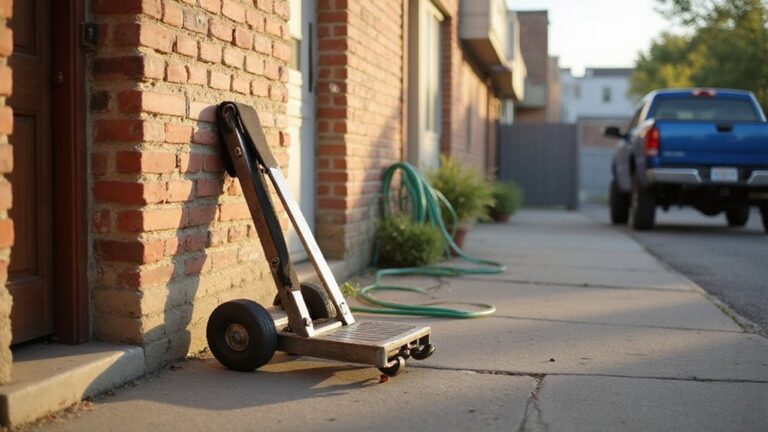
Figuring out whether an appliance dolly or a utility dolly suits your move depends on the load you’re handling. The appliance dolly is taller, with a sturdy steel frame and larger wheels, perfect for heavy, top-heavy appliances like refrigerators.
Meanwhile, a utility dolly is lighter and more maneuverable, ideal for lifting boxes or lighter furniture across flat surfaces.
The right choice keeps your move safe and efficient. More details follow to help you pick the best tool for the job.
Appliance vs Utility Dolly: What’s the Real Difference?
Appliance dollies are taller and sturdier than utility dollies because they’re designed to handle large, heavy appliances like refrigerators and stoves. Their reinforced frames require more maintenance, such as regularly checking straps and padding to ensure safety and durability. The ergonomic design helps you handle awkward loads more easily, reducing back strain when tilting and balancing heavy washers or similarly tall items. For truck users needing to transport tall appliances, a bed extender can provide additional support by securing the load in the truck bed. In contrast, utility dollies have lighter frames, making them easier to maintain and suitable for moving smaller, balanced items like boxes or lightweight furniture. They are ideal for quick, flat moves but lack the strength and security features necessary for cumbersome, tall appliances. While utility dollies work well for general tasks, using top foam blocks can provide additional stability for awkward loads during transport. When selecting a dolly, consider the quality, performance, and value of each type to match your specific moving needs.
Which Dolly Is Best for Heavy Appliances vs. Boxes and Furniture?
For heavy appliances like refrigerators or washing machines, an appliance dolly is best. These dollies typically have a tall steel frame and securing straps, with load ratings between 1,000 and 1,200 pounds. The higher capacity helps control top-heavy loads, reducing the risk of tipping over during transport. For navigating over sand or soft ground, a model with large pneumatic wheels can provide better traction and stability. Many appliance dollies also include a straps and stair roller system to safely move loads up and down steps. For those moving multiple appliances or heavy items in a workshop, a matching tool cart with wheels can offer additional mobility and storage convenience.
In contrast, for handling boxes and furniture, a utility dolly is more suitable. These dollies feature a low, flat platform and are rated between 300 and 700 pounds, making them ideal for stacked boxes, couches, or other household items. Their wide platform provides stability and ease when moving multiple items on flat surfaces.
If you’re moving larger furniture like dressers or desks, a furniture dolly is recommended. Its design allows for tight turns and maneuverability through hallways, but it is not suited for stairs. Be sure to match the dolly’s weight capacity with your load. Always check wheels and straps before each use to ensure safety and proper functioning. For lighter loads, a multipurpose mover with swiveling casters can glide smoothly across hard surfaces like concrete and wood.
3 Quick Questions to Pick the Right Appliance or Utility Dolly
To choose between an appliance or utility dolly, ask yourself three quick questions. First, consider the main load you’ll be moving. If it’s a large appliance like a refrigerator or washing machine, an appliance dolly is the best fit because it’s designed to handle heavy, upright loads with stability. For mixed boxes or smaller furniture, a utility dolly works better since it’s more versatile for different shapes and sizes. Keep in mind that wheelbarrow capacity often dictates how much bulk you can move at once, but for upright, heavy items, a dolly is still your primary tool. A collapsible folding wagon can also be a useful alternative for transporting bulkier, lighter loads over flat ground. If you frequently travel with your gear, consider lightweight options similar to those reviewed for top camping trailers for bikers that emphasize portability.
Next, evaluate the route you’ll take. If your path involves stairs, tight turns, or uneven ground, an appliance dolly may be limited because it’s built for controlled, flat surfaces and upright transport. A utility dolly’s smaller wheels and more flexible frame make it easier to maneuver in tricky terrain or confined spaces.
Finally, think about whether your load requires restraint. Appliance dollies are equipped with straps to secure top-heavy items, increasing safety during movement. Utility dollies typically lack straps, so you’ll need to secure your load yourself with additional straps or cords. Prioritize checking and maintaining your equipment by inspecting the wheels and straps before moving to keep everything stable and safe.
How Appliance Dolly Design and Weight Capacity Compare
Appliance dollies are built differently than utility dollies because they’re designed to handle heavier and taller loads. They feature a reinforced steel frame that emphasizes durability, with a typical weight capacity of 600 to 800 pounds. Heavy-duty models can support over 1,000 pounds, making them ideal for large appliances like refrigerators and washing machines. These dollies are equipped with larger rubber or pneumatic wheels and securement straps to maintain stability, even on stairs or uneven surfaces. The base plate slides under your appliance to distribute weight evenly, while side rails and harnesses prevent shifting during transport. This design allows you to control a top-heavy load without wobbling or tipping, providing support that utility dollies simply can’t match. For those building their own cargo trailer, understanding the importance of weight distribution helps ensure safe towing and stable handling under heavy loads. A similar principle applies when constructing a DIY shop vac cart, as careful load balancing prevents tipping during transport. When moving a heavy load over long distances, using securement straps similar to those on a kayak transport setup prevents the appliance from shifting during transport.
When a Utility Dolly Just Makes More Sense
A utility dolly makes the most sense when moving boxes, small furniture, or household items. Its compact, upright design allows you to transport multiple items at once, reducing the number of trips needed. You can stack boxes or bins and carry them in a single move, which cuts down on back-and-forth walking and saves effort. The narrow profile fits easily through hallways, doorways, and tight corners, making it ideal for navigating congested spaces. When it comes to stairs, tilting the dolly with a load shifts the weight to make ascending or descending smoother and safer. To keep items secure during these moves, learning how to thread a ratchet strap ensures the load stays firmly in place. For small furniture like nightstands or filing cabinets, a utility dolly is perfect because of its portability and straightforward design. Moving delicate or fragile items is simplified, as you can secure the load well and maneuver carefully, giving you better control. The simplicity of a utility dolly means fewer setup steps, quick loading, and faster handling of mixed loads. It’s a versatile tool that handles everyday moving needs with ease, especially when you’re not dealing with bulky appliances. For those who prioritize ergonomic support during prolonged use, this type of dolly can be paired with stable seating options to reduce strain on your back and legs. If you decide to build your own, choosing heavy-duty casters rated for at least 100 pounds each is essential for ensuring the finished dolly can safely support heavier mixed loads.