
Types of Bungee Cords: Which One Fits Your Job?
Figuring out which bungee cord fits your job can feel tricky, especially with so many styles and strengths available.
The key is matching the cord to what you’re hauling—lightweight tarps need a different stretch than heavy truck loads.
Knowing the right type can make all the difference in safety and effectiveness.
Keep reading to find out how to choose the perfect bungee for your needs.
How to Choose the Right Bungee Cord for Your Job
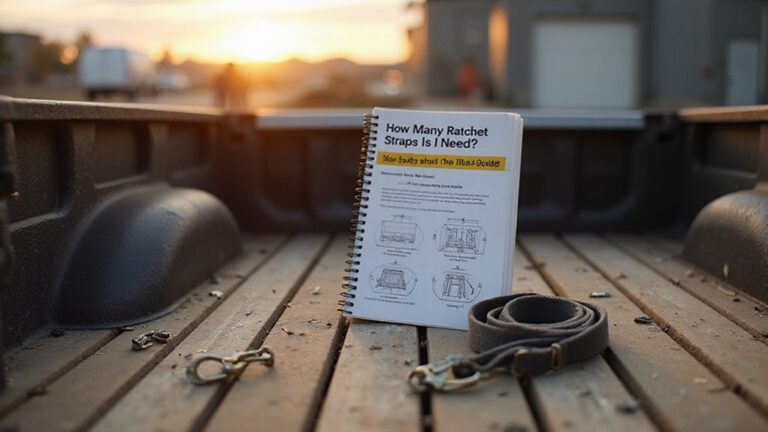
Choose a bungee cord with a load rating at least 50% higher than the heaviest expected load. Use the working load limit as your practical maximum to ensure safety. Always consider shock loads, vibrations, and sudden movements, and include a generous safety margin. For static applications, aim for a safety factor of 10:1 to 12:1 relative to the breaking strength. Dynamic jobs require an even higher safety factor because force spikes can greatly exceed steady loads. Following the safe bungee cord usage guidelines from industry best practices helps prevent sudden failures during dynamic tasks. To avoid tangling and extend the cord’s lifespan, consider storing ratchet straps using tidy, organized methods that prevent knots and kinks. For transporting heavier items, a collapsible folding wagon can also simplify load management when paired with your tie-downs.
Your cord tension should be set by choosing a length slightly shorter than the distance between anchor points. This keeps the cord under consistent tension once secured. Avoid excessive stretch, which can push the cord beyond its designed operating range. Never exceed the load capacity, and inspect the cord for overstretching or slack recovery issues before use.
What Bungee Cord Materials Mean for Stretch and Durability
The material of your bungee cord’s core and sheath directly impacts its stretch and durability. Natural latex offers the highest elasticity, rebounding consistently under dynamic loads. However, it degrades quickly when exposed to UV rays, ozone, or petroleum-based substances unless protected. Synthetic rubbers like EPDM are more affordable but sacrifice performance. They initially mimic latex’s elasticity but tend to become stiff and brittle over time, especially under extreme temperatures and prolonged sunlight exposure. For the safest setup, ensure the bungee is compatible with your rack by confirming it does not interfere with moving parts or create a sharp bend. The outer sheath plays a crucial role in protecting the core. Nylon provides toughness and flexibility but is less resistant to UV radiation. Polyester, in contrast, resists sun, mildew, and abrasion better, helping to slow down the degradation of the core material when used outdoors. Remember, the sheath’s main function is protection; it does not contribute to stretch. Regularly inspect the ratchet strap or bungee for fraying and UV damage to catch wear before failure occurs. To keep storage tangle-free, applying techniques like neat coiling can prevent knots from forming in the slack.
Why the 50% Stretch Limit Keeps Your Bungee Cord Safe
The 50% stretch limit is the maximum safe elongation for your bungee cord. This means you should never stretch the cord beyond half of its resting length during use. Staying within this limit helps prevent excessive weakening of the material, which can lead to failure or snapback hazards.
Exceeding this stretch increases the risk of the cord failing suddenly because its diameter shrinks under tension, reducing hook and attachment strength. When you pull past 50%, the tension causes the core and sheath to compress in diameter, weakening its holding power. This can cause hooks to slip or detach, creating a dangerous rebound of the cord.
Maintaining the 50% stretch limit ensures a safety margin that protects both the cord’s integrity and your safety. It also helps avoid overstressing the core materials, prolonging the lifespan of your equipment. Always check regularly for signs of wear such as cracked coatings or worn hooks, and never substitute an overstretched cord for a proper tie-down. Keeping within this limit puts you in control and reduces the likelihood of accidents. Using a furniture dolly can help you move heavy items safely without overstressing your bungee cords.
When Should You Use a Standard Bungee Cord?
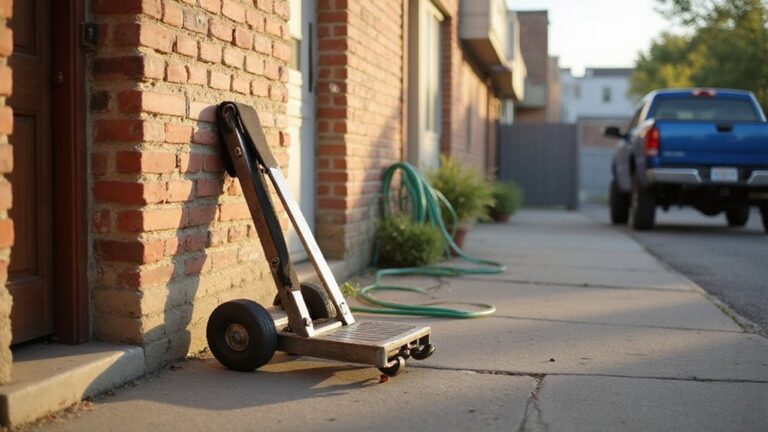
Use a standard bungee cord for lightweight tasks such as bundling cords, organizing household items, or securing small gear. They’re ideal for temporary restraint rather than securing heavy loads. You’ll find them useful for garage cleanup, holding tarps on roof racks, or preventing camping gear from shifting during transport. Bright-colored cords make it easy to quickly identify length or tension, which helps with visibility. To store them properly, keep the cords coiled in a drawer or bin to avoid tangling, and avoid stretching them when not in use, as this can reduce their elasticity. Shorter cords are better suited for compact spaces and easier to attach with their S-hooks. However, avoid using them for heavy or load-bearing applications since they aren’t designed to handle such stress. For more demanding tasks like securing a kayak, you would instead want a strap with a cam buckle for reliable tension and security. Always replace a cord that shows signs of wear or damage to ensure safety. For heavier hauling tasks, consider pairing them with a durable yard cart that attaches to your lawn mower to distribute load weight more safely. If you need to move large appliances or furniture, a heavy duty dolly provides far more stability and control than bungee cords alone.
Why Upgrade to a Heavy-Duty Bungee Cord for Bigger Loads?
A heavy-duty bungee cord is essential when handling larger loads because it offers a significantly higher weight capacity, typically ranging from 75 to 200 pounds, compared to standard cords’ 20 to 40 pounds. This increased capacity reduces the risk of overload and snap-back injuries while ensuring your cargo remains stable during transport. These cords feature stronger latex or synthetic rubber cores that resist wear, along with polyester or nylon sheaths for enhanced weather resistance and abrasion protection.
Additionally, the tension control is more precise with thicker construction. A heavy-duty cord usually requires about 22 to 24 pounds of force to double in length, which helps keep larger loads tight and secure against vibrations or wind. For example, when secured to a vehicle hitch, using hitch mount gas can carriers can help maintain stable cargo alignment and reduce shifting during transport. Reinforced hooks and thicker materials also extend the lifespan of the cord, making it a safer and more reliable choice for demanding applications such as truck bed tie-downs, marine gear securing, or off-road adventures. Using a proper working load limit ensures you stay well below the breaking point, reducing accidents and damage.
For maximum safety and durability, always inspect the stitching and hook integrity before each use, as quality ratchet straps provide superior holding power and adjustability for heavier cargo compared to bungee cords alone.
How Does a Flat Bungee Cord Work in Tight Spaces?
A flat bungee cord works well in tight spaces because its low-profile, narrow design allows it to hug edges and corners rather than rolling or bunching up. This shape makes it easier to thread through narrow gaps under seats or inside compartments without extra bulk. When routed flush against surfaces, it minimizes protrusion into tight areas, simplifying cable management and cargo securing in cramped trunks or vans. Choosing a handle with a comfortable grip can also improve control when pulling the cord taut in these confined spots, reducing hand fatigue during repeated adjustments.
The elastic stretch of a flat bungee distributes tension across a wider contact area, reducing pressure per square inch. This broader contact surface helps prevent slipping on smooth or uneven surfaces and reduces the likelihood of it digging into soft cargo. You can stretch it through limited anchor points and still maintain a firm hold without bulky ends or protrusions that get in the way. For heavier lifting tasks, DIY moving straps offer a more robust, non-elastic alternative for securing large loads. A final safety check after installation ensures the cord remains secure against shifting loads during transport.
Thanks to its flexible, compact form, a flat bungee cord tangles less and stores neatly in toolboxes, RV compartments, or small storage spaces. It’s ideal for lightweight loads such as securing tarps, organizing cords, or stabilizing bags. Always match the length and amount of stretch to your specific clearance. Overstretching diminishes control and can cause the cord to slip. For close-quarter tie-downs, the flat design offers precise, surface-friendly restraint without adding unnecessary bulk. This cord is made with polypropylene yarn wrapping latex yarn using weaving technology to enhance durability.
How Adjustable and No-Hook Styles Solve Length and Snag Problems
Adjustable bungee cords are designed to eliminate guesswork by allowing you to easily change the length of the cord’s stretch. You can shorten or extend the working tension without having to swap out different cords. This feature ensures you achieve precise tension whether securing a tight bundle or a wider load. Many include multiple fixed adjustment points or a pull-to-lock mechanism, enabling quick changes on the go. Additionally, color options help you quickly identify the right cord for each task, saving you time and reducing mistakes during setup. These cords, such as the Kotap MABC-24 model, use polyethylene with alloy steel hooks to resist cracking and abrasion for long-lasting performance. For those who prefer a more permanent anchoring solution, the same principles of secure tensioning apply when adapting a DIY hitch mount for heavy-duty outdoor use. To avoid shifting during transport, always keep the load balanced and centered over the hand truck’s axle for maximum stability. For additional stability, consider using safe ratchet strap techniques to prevent load-shifting during transport. No-hook styles, on the other hand, are crafted to avoid snagging on fragile edges or leaving marks on painted surfaces, making them ideal for indoor or delicate applications where traditional hooks might cause damage.
How to Match Your Bungee Cord Hook to Your Anchor Point
Matching your bungee cord hook to the anchor point ensures secure and stable attachment. The shape of the hook should match the geometry of the anchor to prevent slipping and damage. For open, stable points like loops or rails, an S-hook is ideal because it’s quick to attach and works well with light loads. For larger bars requiring a deeper seat, a J-hook provides better grip and stays in position under tension. When working with vertical or overhead applications, a carabiner-style hook with a locking gate is safest, as it prevents accidental release. Ball-end hooks are perfect for tarp grommets, reducing metal-to-surface wear. Always ensure the hook’s inner curve bears the load, not the tip, to maximize safety. Mismatched hooks can lead to slipping or failure, so select a hook based on the anchor’s depth, shape, and movement potential, rather than just the cord’s strength. For securing cargo in an SUV, cargo net hooks must match the vehicle’s anchor points to provide stable attachment. A load capacity of around 50 pounds is typical for a DIY cart built with basic hardware, which helps determine the maximum tension your bungee cords should handle.