
What Is a Flat Free Tire? Pros, Cons & Best Uses
Ever worried about getting a flat tire during a busy workday or a weekend project? A flat-free tire might be the solution, offering a maintenance-free ride by using a solid internal structure instead of air.
While they’re ideal for rough terrains and heavy equipment, they come with trade-offs like added weight and cost.
Keep reading to discover if a flat-free tire is right for your needs.
The Biggest Advantages of Flat-Free Tires: No Flats, Less Maintenance
Flat-free tires offer a significant advantage: you won’t experience flats from nails, thorns, or glass. With no air to lose, there are no slow leaks or sudden flats—keeping your equipment ready even in rough, debris-filled environments. This durability means less worry about tire failure during critical tasks. For tasks like moving heavy loads, consider using collapsible folding wagons with flat-free tires for even easier transportation. Just as you secure your trailer by locking the hitch pin to prevent load-shifting, flat-free tires stabilize your equipment over rough terrain. For sandy environments, a beach cart with wheels is a prime example of equipment that benefits from flat-free tires.
Since flat-free tires don’t require air, you eliminate routine pressure checks, patch jobs, and tube replacements. This near-maintenance-free operation allows you to focus more on your work and less on servicing tires. Although the upfront cost can be higher, you save money over time by avoiding frequent repairs and unexpected downtime. You also don’t need gauges, compressors, or spare tubes, simplifying your maintenance routine. For lawn mowers, carts, or utility vehicles, fewer interruptions and less upkeep directly enhance your productivity and lower long-term expenses.
How Flat-Free Tires Work (and Why They’re Different)
Flat-free tires rely on an engineered internal structure instead of compressed air to support weight and absorb shocks. You’ll see a rigid hub, flexible spokes, and an outer tread ring. When you roll over a bump, the spokes compress and rebound, acting like a mechanical spring to cushion the ride. The shear band stabilizes the tread, distributing load through mechanical deformation, ensuring smooth movement without air. For particularly demanding moves, these tires are often paired with a heavy duty dolly to handle bulky items safely. This internal design allows for greater design flexibility. Engineers can adjust spoke shape and material stiffness to customize ride comfort and handling, without concerns about maintaining inflation. Material choice is vital; polyurethane, thermoplastics, and composite materials resist wear and environmental damage, providing a long-lasting, durable solution. Because there is no air pressure to monitor, these tires keep their shape and performance over time. With punctures no longer an issue, your tires won’t deflate unexpectedly. The load shifts from an air chamber to a solid mechanical framework, fundamentally changing how the tire responds under load and over obstacles. For heavy loads like moving furniture, a furniture dolly with flat-free tires ensures reliable mobility without the risk of a flat. Unlike pneumatic hand truck wheels, which can go flat from punctures, these solid tires offer consistent load support regardless of terrain conditions.
What You Give Up: Heavier Weight, Higher Price
Cost considerations hit you hardest at the register. Heavier tires and higher-quality flat-free options tend to cost more upfront. For larger industrial tires with foam filling, the price can easily reach into the hundreds or thousands due to labor and materials. Replacement costs also add up because you often need to replace the entire wheel assembly rather than just the tire.
The extra weight of heavier tires makes handling less nimble, especially during turns. When your load is near capacity, that additional mass demands more effort to control and maneuver. Plus, heavier tires can reduce responsiveness, which might impact your operational efficiency and safety.
Where Flat-Free Tires Shine: Best Uses
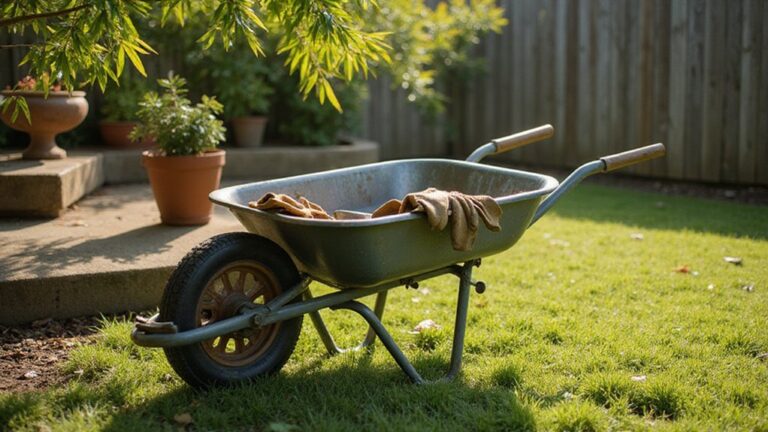
Flat-free tires excel in environments where durability and uninterrupted operation are essential. Since they do not rely on air pressure and are puncture-proof, they are ideal in settings with abundant debris or sharp objects. You’ll see them prominently used in material handling, such as forklifts and pallet trucks, which traverse nails and scrap materials without concern for flats. On construction sites, skid steers and loaders benefit from their resistance to broken metal and glass, maintaining productivity despite challenging terrain. Landscaping tools like wheelbarrows and garden carts also depend on flat-free tires to pass over rocks, sticks, and other sharp obstacles without failure. For a DIY project like a cooler cart, choosing flat-free tires eliminates the need to patch or inflate tubes during outdoor use. In fact, when searching for a rolling cooler cart, many users prioritize flat-free tires to avoid interruptions during camping or tailgating.
In commercial settings such as warehouses and hospitals, utility carts equipped with flat-free tires remain mobile and reliable, avoiding downtime caused by flats. Even specialized equipment like generators and airport baggage carts use these tires to ensure continuous operation. Compatibility is straightforward because most low-speed industrial machinery is designed to accept solid, flat-free options. As for consumer use, flat-free tires tend to be favored for jobs where reliability outweighs ride comfort, especially in harsh, debris-filled environments.
When to Stick With Air-Filled Tires Instead of Flat-Free
You should stick with air-filled tires when comfort, traction, and smooth rolling are your top priorities. On uneven or rough terrain, air-filled tires absorb bumps much better, providing a more comfortable ride. You can also adjust the tire pressure to optimize cushioning for different surfaces, whereas flat-free tires transmit every jolt directly to your hands or body. When it comes to traction, pneumatic tires mold to the ground, offering better grip on wet or uneven surfaces. They are also more efficient under heavy loads, making uphill climbs and long distances less tiring. Although you’ll need to check and maintain tire pressure occasionally—especially in cold weather—the benefits of controlled handling and reduced fatigue often outweigh the convenience of flat-free options. If high performance and flexibility under variable conditions matter most to you, it’s best to stick with air-filled tires. For moving heavy items indoors, however, flat-free tires eliminate punctures and require no pressure checks, simplifying the process on smooth floors. When using an appliance dolly, remember that load ratings must be respected to prevent tipping or damage. For outdoor use on sand or loose gravel, opting for large balloon-style wheels can dramatically improve flotation and reduce digging, a key advantage highlighted in top beach cart reviews.